
 9 min reading
The European Union is moving toward a new phase of crypto oversight, one shaped by rising debate over who should watch the fast growing market and how strict control should become. A shift in power places ESMA at the center of talks about a more unified path, where cross border rules no longer depend on many separate national views. The change feels slow at first glance, yet signals a clear turn toward a tighter and more stable digital market that aims to support long term growth.
Why ESMA wants control: The hidden cost of fragmented supervision
The debate around crypto oversight in the European Union grows stronger with each month, mainly because rules differ from one state to another. Each regulator applies MiCA in a separate legal frame, and gaps between these frames make life harder for firms that aim to reach users across the full region. ESMA argues that parallel supervision slows market growth, raises costs, and forces every authority to build its own system from zero. A unified model promises fewer delays, clearer steps for firms, and a safer base for long term expansion. Many companies now look for one stable path instead of twenty seven separate routes.
Different reviews across borders create real friction for exchanges, onramps, and payment services. A crypto payment gateway may pass one assessment in one state and then face a new set of demands a short distance away. Such tension becomes a heavy burden for firms that scale across the EU, because no company wants to rewrite core processes in each region. ESMA sees one supervisor as a way to fix uneven enforcement and support a single market with fair entry rules. Providers of cryptocurrency payment solutions experience the strongest impact, since cross border work depends on smooth licensing and steady data rules in every place where users live.

Fragmented oversight also shapes how firms design tools to manage risk, cross border flows, and user safety. A blockchain payment gateway or a crypto payment processor must meet high standards in every region, yet procedures still vary in timing and detail. A more unified structure could remove many extra steps and give firms a cleaner base to grow across the EU. A clear framework also inspires trust among users, who want safe and simple ways to interact with modern services. In the long run, a stronger and more stable model could help firms that build cryptocurrency payment solutions reach users across the entire bloc without facing new borders at every turn.
Passporting under pressure: How one rule sparked a regulatory power struggle
Pressure around passporting grows each month, as firms try to work across the entire EU while facing different views from national regulators. MiCA offers a way to let one license unlock all twenty seven markets, yet practice still shows many gaps. Large states worry about uneven oversight, while smaller states defend their right to shape local rules. A crypto payment gateway or a blockchain payment gateway must move through many layers with care, since cross border expansion depends on clear guidance. Providers of cryptocurrency payment solutions see how one weak link in the chain can slow growth across the region.
Passporting was built as a simple entry path into the EU market, yet real practice reveals a far more complex landscape.
A firm may meet strict rules in one state and then face new demands in another. Many operators point to delays caused by slow exchanges between regulators. A crypto payment processor or a mass payout platform often needs quick approval to serve users in many regions, yet progress can stall when authorities disagree on key steps. Firms that deliver cryptocurrency payment solutions often adapt to many new requirements, since user trust depends on smooth and predictable service across borders.
Growing tension among EU members also shapes wider debate. Some states want stronger filters before a license gains full reach, while others push toward equal access across the bloc. Payment firms feel the impact each day, since each new review can slow risk checks, onramp flows, and crypto to fiat transfers. A unified view under ESMA could offer a cleaner frame to guide cross border work, giving firms a more stable way to plan growth and secure user rights. Many companies that rely on cryptocurrency payment solutions hope to see one clear lane, where oversight supports innovation rather than pulling the market in many directions.
Europe’s new crypto architecture: From national oversight to a single supervisory hub
A new model for crypto oversight is slowly forming across the European Union, driven by a push toward one strong center of control. National regulators still apply MiCA in separate ways, and each view creates new gaps in supervision. ESMA aims to build a single hub where rules stay stable across all states. A clear design could help firms that use cryptocurrency payment solutions reach the full EU market with fewer delays and fewer sudden shifts in policy. Many operators now seek one system that supports growth and reduces uneven judgment.
A single supervisor may also ease daily work for payment firms that handle flows across borders. A crypto payment gateway or a blockchain payment gateway often depends on quick guidance from regulators, yet many states still move along slower internal paths. A unified center could speed up reviews, ease cross border checks, and give firms more time to build reliable service. Providers that rely on cryptocurrency payment solutions often face repeated audits in several states, and each audit adds heavy work. One strong rulebook could cut repeated steps and help the sector build safe tools to serve users.
A broader shift also shapes Europe’s financial future. A unified hub could support long term plans to deepen capital markets, where digital assets, onramp services, and advanced financial tools follow one high standard. Firms that build a crypto payment processor or a mass payout platform need steady rules in order to scale with confidence. A shared plan could help each operator set clear risk checks, secure wallet structures, and smooth routes to users across the EU. Many firms that offer cryptocurrency payment solutions now see a chance to grow under a model that values stability, equal access, and a safer digital environment.
Winners and losers: Which markets gain power if ESMA takes over
A deeper shift in the EU now shapes the balance between strong financial states and smaller markets that once gained ground through flexible rules. Larger states push toward a single model where one regulator stands above all others. Smaller states defend early gains, since many firms chose entry through lighter local standards and faster reviews. A crypto payment gateway or a blockchain payment gateway often selects a home base with low friction, quick feedback, and simple steps. Many early adopters gained real scale under such structures, including firms that rely on cryptocurrency payment solutions to reach users across many regions.
A stronger role under ESMA could reshape influence across the EU. Regions with strong compliance teams may gain new power, while smaller regions with limited capacity may lose ground. Firms that handle mass payouts, crypto to fiat flows, or complex risk checks often prefer regions with steady guidance. A move toward one center may reduce early benefits once held by smaller states, since every operator would follow one high standard. Many firms see value in a system that offers one clear path, yet others fear the loss of speed once offered by more agile markets.
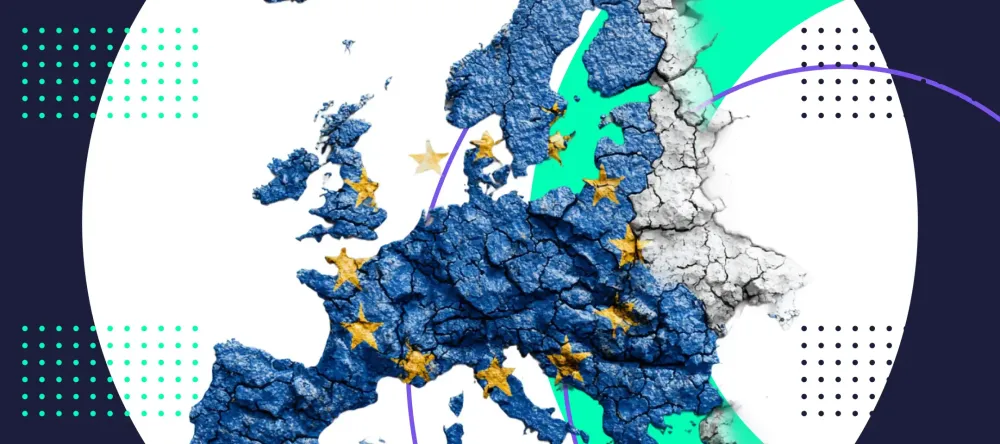
Debate around control also touches concerns about innovation, scale, and trust. A unified model may help operators aiming to build safe and simple tools without endless changes across borders. Many firms that build a crypto payment processor or a crypto payment platform want equal access to users across the entire region. A single approach under ESMA could support a stronger market grounded in clear steps and stable service. Several operators that use cryptocurrency payment solutions see new room to plan long term progress, since equal rules across all states may inspire more trust among users and partners.
What unified oversight means for crypto payments, exchanges, and onramps
A unified model under ESMA may guide payment firms toward a more stable and open market. Many operators seek one set of clear steps that works across all regions. A crypto payment gateway often depends on steady rules, since even small shifts across borders create new work. A stronger center may help teams plan long term growth with less fear of sudden changes. Providers that deploy cryptocurrency payment solutions across many states frequently face repeated checks, yet a single frame may cut heavy tasks and improve service quality.
Payment firms that run complex flows across borders also need quick answers from a central supervisor. A blockchain payment gateway, a mass payout platform, or a crypto payment processor must manage risk checks, secure wallet tools, and links between onramps and traditional financial layers. A slow review in one region can disrupt work in many others. ESMA seeks a model where each operator meets one high standard that stays steady over time.
Many teams that build cryptocurrency payment solutions hope to see reduced delays, since speed often shapes user trust in a direct and lasting way.
A deeper effect may shape how firms design new tools. A crypto payment platform often needs strong links with banks, card systems, and safe wallet networks. A calm and steady rulebook supports safe design, clear data paths, and smooth flows between users and service layers. Growth across the EU depends on stable ground, not constant redesign in each region. Many operators that offer cryptocurrency payment solutions look toward a future where equal access, clear rules, and strong user rights support a wider shift toward trust in digital finance. A unified model may help each serious firm build safe tools that reach users across the entire EU.
A final look at Europe’s turning point
Europe stands close to a major shift in how crypto markets operate, with ESMA rising as a central force in a system once shaped by many separate voices. A move toward one clear model could lower friction across borders, raise trust among users, and give serious firms a stronger base to grow across the entire region. New rules may feel strict at times, yet a steady lane often brings more space to innovate with confidence. The next stage of Europe’s crypto story may reveal a market built on clarity, equal access, and long term stability.
Sheepy helps leading iGaming, FX, and E-commerce brands grow their crypto payments - trusted since 2022.


'%3e%3cpath%20d='M5.33337%2017.3333C5.76671%2020.7093%207.84137%2023.708%2010.6667%2025.3333'%20stroke='%231C1D3B'%20stroke-width='2'%20stroke-linecap='round'%20stroke-linejoin='round'/%3e%3cpath%20d='M26.6667%2014.6667C26.3406%2012.3203%2025.2521%2010.1462%2023.5688%208.47934C21.8856%206.81246%2019.701%205.74524%2017.3516%205.44209C15.0021%205.13893%2012.6182%205.61666%2010.5669%206.80168C8.51571%207.98669%206.911%209.81326%206%2012'%20stroke='%231C1D3B'%20stroke-width='2'%20stroke-linecap='round'%20stroke-linejoin='round'/%3e%3cpath%20d='M5.33337%206.66666V12H10.6667'%20stroke='%231C1D3B'%20stroke-width='2'%20stroke-linecap='round'%20stroke-linejoin='round'/%3e%3cpath%20d='M16%2020H18.6667C19.0203%2020%2019.3594%2020.1405%2019.6095%2020.3905C19.8595%2020.6406%2020%2020.9797%2020%2021.3333V22.6667C20%2023.0203%2019.8595%2023.3594%2019.6095%2023.6095C19.3594%2023.8595%2019.0203%2024%2018.6667%2024H17.3333C16.9797%2024%2016.6406%2024.1405%2016.3905%2024.3905C16.1405%2024.6406%2016%2024.9797%2016%2025.3333V26.6667C16%2027.0203%2016.1405%2027.3594%2016.3905%2027.6095C16.6406%2027.8595%2016.9797%2028%2017.3333%2028H20'%20stroke='%231C1D3B'%20stroke-width='2'%20stroke-linecap='round'%20stroke-linejoin='round'/%3e%3cpath%20d='M24%2020V22.6667C24%2023.0203%2024.1405%2023.3594%2024.3905%2023.6095C24.6406%2023.8595%2024.9797%2024%2025.3333%2024H26.6667'%20stroke='%231C1D3B'%20stroke-width='2'%20stroke-linecap='round'%20stroke-linejoin='round'/%3e%3cpath%20d='M28%2020V28'%20stroke='%231C1D3B'%20stroke-width='2'%20stroke-linecap='round'%20stroke-linejoin='round'/%3e%3c/g%3e%3cdefs%3e%3cclipPath%20id='clip0_17690_160'%3e%3crect%20width='32'%20height='32'%20fill='white'/%3e%3c/clipPath%3e%3c/defs%3e%3c/svg%3e)
'%3e%3cpath%20d='M10.6667%208.00001C10.6667%207.29277%2010.9477%206.61449%2011.4478%206.11439C11.9479%205.61429%2012.6262%205.33334%2013.3334%205.33334H24.0001C24.7073%205.33334%2025.3856%205.61429%2025.8857%206.11439C26.3858%206.61449%2026.6667%207.29277%2026.6667%208.00001V18.6667C26.6667%2019.3739%2026.3858%2020.0522%2025.8857%2020.5523C25.3856%2021.0524%2024.7073%2021.3333%2024.0001%2021.3333H13.3334C12.6262%2021.3333%2011.9479%2021.0524%2011.4478%2020.5523C10.9477%2020.0522%2010.6667%2019.3739%2010.6667%2018.6667V8.00001Z'%20stroke='%231C1D3B'%20stroke-width='2'%20stroke-linecap='round'%20stroke-linejoin='round'/%3e%3cpath%20d='M5.33337%2013.3333C5.33337%2012.6261%205.61433%2011.9478%206.11442%2011.4477C6.61452%2010.9476%207.2928%2010.6667%208.00004%2010.6667H18.6667C19.374%2010.6667%2020.0522%2010.9476%2020.5523%2011.4477C21.0524%2011.9478%2021.3334%2012.6261%2021.3334%2013.3333V24C21.3334%2024.7072%2021.0524%2025.3855%2020.5523%2025.8856C20.0522%2026.3857%2019.374%2026.6667%2018.6667%2026.6667H8.00004C7.2928%2026.6667%206.61452%2026.3857%206.11442%2025.8856C5.61433%2025.3855%205.33337%2024.7072%205.33337%2024V13.3333Z'%20stroke='%231C1D3B'%20stroke-width='2'%20stroke-linecap='round'%20stroke-linejoin='round'/%3e%3c/g%3e%3cdefs%3e%3cclipPath%20id='clip0_17690_177'%3e%3crect%20width='32'%20height='32'%20fill='white'/%3e%3c/clipPath%3e%3c/defs%3e%3c/svg%3e)