
 8 min reading
Crypto payments are often seen as a simple add-on for modern businesses, yet the reality is far more complex. Many merchants assume that accepting digital assets is just about enabling a new payment option. In practice, the challenge begins after the transaction is initiated. Issues with confirmation, tracking, and reconciliation quickly appear. This is where infrastructure becomes critical. Without a structured approach to handling these processes, crypto payments remain difficult to scale and manage effectively in a real business environment.
Crypto payments don’t fail at checkout - they fail after it
Most merchants think the hard part ends when a customer completes a payment. It feels like the main job is done at that moment. Funds are sent, the interface shows success, and everything looks fine. But this view is misleading. The real work often starts right after the transaction appears on the network. At this stage, many hidden issues begin to surface. These issues rarely show up in demos, but they appear in real operations.
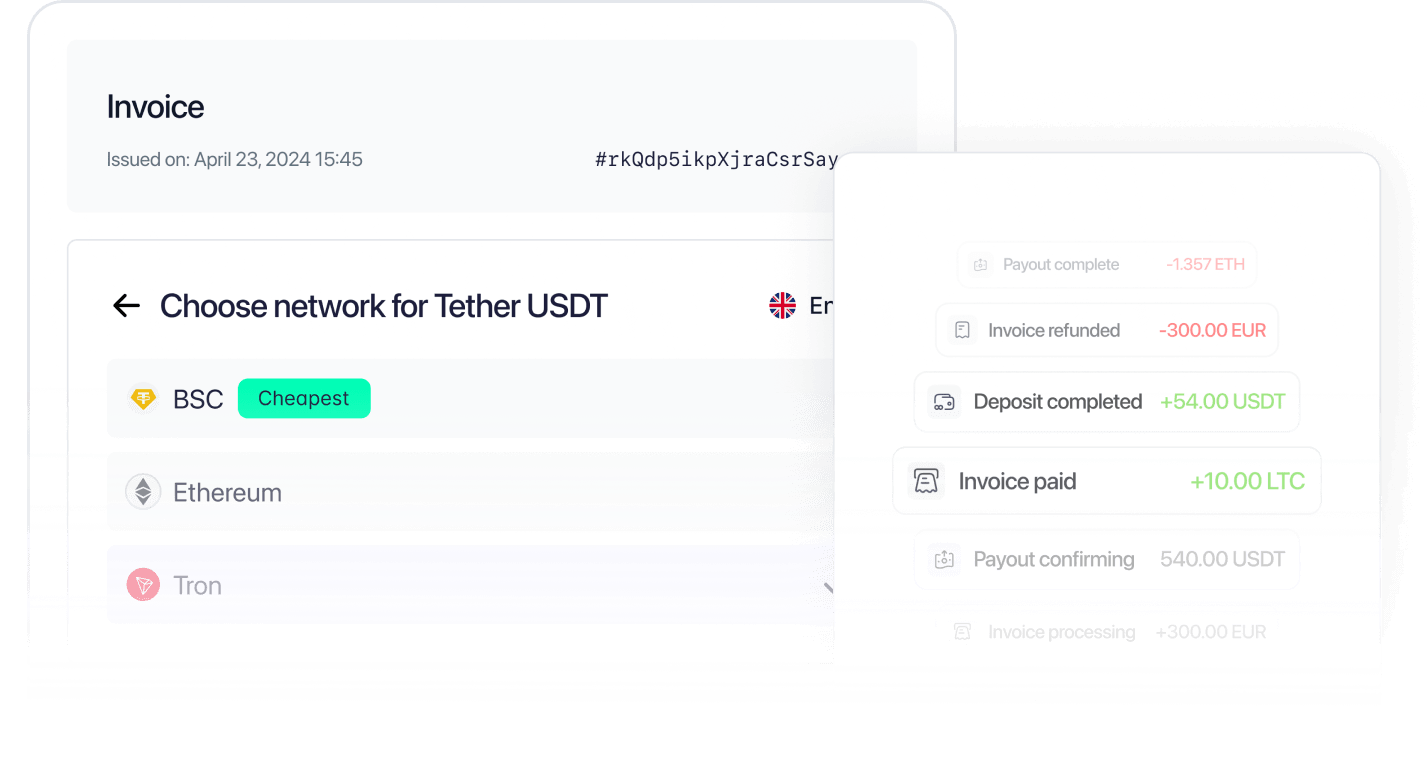
A payment does not become usable the moment it is sent. It needs to be confirmed by the blockchain network. This can take seconds or several minutes, depending on conditions. Sometimes transactions get delayed due to network congestion. In other cases, users send funds through the wrong chain or token. This creates confusion for the merchant. A crypto payment API helps reduce this uncertainty by tracking each transaction in real time. It gives a clear status and connects it to a specific order. Without that layer, teams often rely on manual checks, which quickly becomes unreliable.
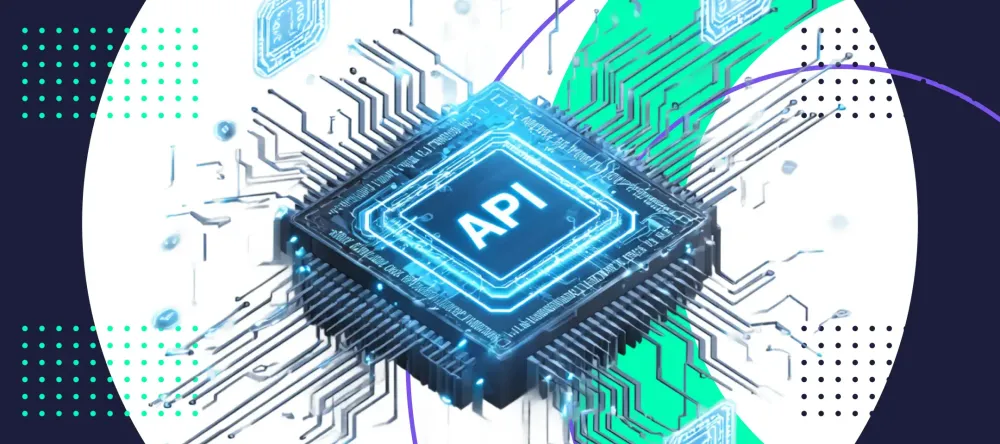
The situation becomes harder when the business starts to grow. What works for ten payments a day does not work for a hundred. Refunds need to be handled correctly, often in different assets. Internal systems must stay aligned with what happens on-chain. Even simple reporting becomes difficult without structure. This is where a crypto payment API shows its real value. It creates a consistent process around unpredictable blockchain activity. Instead of reacting to each transaction, the business can rely on a stable system. That shift makes crypto payments usable at scale, not just possible in theory.
Why a crypto payment API is the real product merchants rely on
At the start, most merchants think they are picking a way to accept payments. They look at fees, supported coins, or how fast funds arrive. That seems like the right approach. But after some time, the focus usually shifts. The real question becomes different. It is not about how a payment is made, but how it fits into daily operations. Payments need to connect with orders, customer actions, and internal systems. If that link is weak, even successful transactions create extra work.
A single payment is never just one event. It moves through several stages before it is truly complete. First, it appears on the blockchain network. Then it waits for confirmation. After that, it must be matched with the correct order. If something goes off track, the team needs to react quickly. This is hard to manage without a clear structure. A crypto payment API helps bring that structure into place. It connects raw transaction data with the logic that businesses already use. Instead of checking everything by hand, teams can rely on consistent signals and updates.
Another point often gets overlooked. Systems need to change over time, even if the business stays the same. New payment flows appear, customer habits shift, and tools get updated. What worked a few months ago may not work today. A crypto payment API makes it easier to adjust without breaking the whole setup. It allows businesses to build around a stable core, rather than rebuild everything each time something changes. In the long run, this approach saves time and reduces risk. It also makes crypto payment processing feel closer to a normal part of business, not a separate experiment.
Turning blockchain complexity into a usable system
Many businesses enter the digital asset space with a simple expectation. They assume funds will move from one wallet to another without much effort. In practice, the process is far less predictable. Different networks behave in different ways. Confirmation times can change without warning. Fees may rise during peak activity. Even small mistakes in address or chain selection can create serious issues. A crypto payment API helps reduce these risks by creating a clear structure around how transactions are received and verified.
The challenge becomes more visible when companies try to connect blockchain activity with their internal tools.
Orders, user actions, and financial records must stay aligned at all times. Without a proper integration layer, teams often rely on manual checks or partial automation. That approach may work for a short period, but it quickly breaks under higher volume. A crypto payment API acts as a bridge between blockchain networks and business systems. It allows data to move in a predictable way, which makes operations easier to manage.
Some providers already focus on solving these problems at a deeper level. Sheepy gives businesses access to a full infrastructure layer that connects digital asset flows with real operations. Its API allows companies to create invoices, track transactions in real time, and receive status updates through webhooks, which reduces the need for manual monitoring. The system supports both sandbox and production environments, so teams can test integrations before going live and avoid costly errors. It also enables functions such as mass payouts, recurring transactions, and balance conversion, which are critical for scaling operations beyond basic use cases. Over time, this type of setup helps reduce operational friction and creates a more stable environment for handling digital assets at scale.
APIs are becoming the compliance and scalability layer
As digital assets become more common in business, regulation slowly follows. At first, many companies ignored it or treated it as a future problem. Now it is part of everyday operations. Businesses are expected to keep records, track transactions, and explain how funds move. For some teams, this becomes a new and unfamiliar task. It is no longer just about technology. It is also about control and transparency. A crypto payment API helps make this shift easier to manage without changing the whole system at once.
Growth brings a different kind of pressure. When transaction volume is small, many issues stay hidden. Teams can fix problems manually and move on. But as activity increases, small gaps start to grow. Missing data, unclear statuses, or delays can slow everything down. People spend more time checking than building. A crypto payment API helps avoid this situation by keeping all processes connected from the start. It creates a flow where each transaction is tracked in a consistent way. That consistency makes scaling feel more stable, even when volume changes quickly.
There is also the question of working across different regions. Businesses rarely stay local for long. They interact with users from different countries and deal with different expectations. In that environment, tools like fiat onramp or cross border crypto payments become part of normal operations. Without a clear structure, it is hard to keep everything aligned. Over time, companies start to rely less on manual control and more on systems that handle complexity in the background. That shift is what allows them to grow without losing visibility over their financial flows.
From accepting crypto to building payment infrastructure
Many companies start with a simple goal. They want to accept digital assets and expand their options. At first, it looks like a small technical step. Add support, connect a wallet, and move forward. But over time, the goal begins to change. It is no longer just about accepting funds. It becomes about how those flows are managed, tracked, and used inside the business. A crypto payment API helps move from a basic setup to something more structured. It allows teams to build processes around transactions, not just react to them.
As operations grow, the need for a deeper system becomes clear. Businesses deal with users from different regions and different expectations. Some need fast settlement, others care about stability. There are also internal needs, such as reporting, treasury management, and fund allocation. A crypto payment API supports these tasks by connecting blockchain activity with internal workflows. It creates a single layer where data is consistent and easy to follow. Instead of handling each case separately, companies can rely on a unified process that scales with demand.
Over time, digital asset flows become part of a wider financial structure.
Companies begin to use tools like fiat to crypto payment gateway or mass payouts to manage outgoing and incoming funds. These are no longer optional features. They are part of daily operations in a global environment. Without a stable system, it is hard to keep control as complexity grows. Businesses that invest in infrastructure early tend to adapt faster. They are better prepared for change and can expand without losing visibility over their financial processes.
Infrastructure decides who scales
Many businesses enter the space thinking adoption is the main step. In reality, adoption without structure leads to friction over time. As operations grow, gaps become harder to manage and easier to notice. What looks simple at the start often turns complex under real conditions. The difference is not in the asset, but in how the system is built around it. Companies that focus on infrastructure early tend to move faster later. They spend less time fixing issues and more time growing in a stable and controlled way.
Sheepy helps leading iGaming, FX, and E-commerce brands grow their crypto payments - trusted since 2022.


'%3e%3cpath%20d='M5.33337%2017.3333C5.76671%2020.7093%207.84137%2023.708%2010.6667%2025.3333'%20stroke='%231C1D3B'%20stroke-width='2'%20stroke-linecap='round'%20stroke-linejoin='round'/%3e%3cpath%20d='M26.6667%2014.6667C26.3406%2012.3203%2025.2521%2010.1462%2023.5688%208.47934C21.8856%206.81246%2019.701%205.74524%2017.3516%205.44209C15.0021%205.13893%2012.6182%205.61666%2010.5669%206.80168C8.51571%207.98669%206.911%209.81326%206%2012'%20stroke='%231C1D3B'%20stroke-width='2'%20stroke-linecap='round'%20stroke-linejoin='round'/%3e%3cpath%20d='M5.33337%206.66666V12H10.6667'%20stroke='%231C1D3B'%20stroke-width='2'%20stroke-linecap='round'%20stroke-linejoin='round'/%3e%3cpath%20d='M16%2020H18.6667C19.0203%2020%2019.3594%2020.1405%2019.6095%2020.3905C19.8595%2020.6406%2020%2020.9797%2020%2021.3333V22.6667C20%2023.0203%2019.8595%2023.3594%2019.6095%2023.6095C19.3594%2023.8595%2019.0203%2024%2018.6667%2024H17.3333C16.9797%2024%2016.6406%2024.1405%2016.3905%2024.3905C16.1405%2024.6406%2016%2024.9797%2016%2025.3333V26.6667C16%2027.0203%2016.1405%2027.3594%2016.3905%2027.6095C16.6406%2027.8595%2016.9797%2028%2017.3333%2028H20'%20stroke='%231C1D3B'%20stroke-width='2'%20stroke-linecap='round'%20stroke-linejoin='round'/%3e%3cpath%20d='M24%2020V22.6667C24%2023.0203%2024.1405%2023.3594%2024.3905%2023.6095C24.6406%2023.8595%2024.9797%2024%2025.3333%2024H26.6667'%20stroke='%231C1D3B'%20stroke-width='2'%20stroke-linecap='round'%20stroke-linejoin='round'/%3e%3cpath%20d='M28%2020V28'%20stroke='%231C1D3B'%20stroke-width='2'%20stroke-linecap='round'%20stroke-linejoin='round'/%3e%3c/g%3e%3cdefs%3e%3cclipPath%20id='clip0_17690_160'%3e%3crect%20width='32'%20height='32'%20fill='white'/%3e%3c/clipPath%3e%3c/defs%3e%3c/svg%3e)
'%3e%3cpath%20d='M10.6667%208.00001C10.6667%207.29277%2010.9477%206.61449%2011.4478%206.11439C11.9479%205.61429%2012.6262%205.33334%2013.3334%205.33334H24.0001C24.7073%205.33334%2025.3856%205.61429%2025.8857%206.11439C26.3858%206.61449%2026.6667%207.29277%2026.6667%208.00001V18.6667C26.6667%2019.3739%2026.3858%2020.0522%2025.8857%2020.5523C25.3856%2021.0524%2024.7073%2021.3333%2024.0001%2021.3333H13.3334C12.6262%2021.3333%2011.9479%2021.0524%2011.4478%2020.5523C10.9477%2020.0522%2010.6667%2019.3739%2010.6667%2018.6667V8.00001Z'%20stroke='%231C1D3B'%20stroke-width='2'%20stroke-linecap='round'%20stroke-linejoin='round'/%3e%3cpath%20d='M5.33337%2013.3333C5.33337%2012.6261%205.61433%2011.9478%206.11442%2011.4477C6.61452%2010.9476%207.2928%2010.6667%208.00004%2010.6667H18.6667C19.374%2010.6667%2020.0522%2010.9476%2020.5523%2011.4477C21.0524%2011.9478%2021.3334%2012.6261%2021.3334%2013.3333V24C21.3334%2024.7072%2021.0524%2025.3855%2020.5523%2025.8856C20.0522%2026.3857%2019.374%2026.6667%2018.6667%2026.6667H8.00004C7.2928%2026.6667%206.61452%2026.3857%206.11442%2025.8856C5.61433%2025.3855%205.33337%2024.7072%205.33337%2024V13.3333Z'%20stroke='%231C1D3B'%20stroke-width='2'%20stroke-linecap='round'%20stroke-linejoin='round'/%3e%3c/g%3e%3cdefs%3e%3cclipPath%20id='clip0_17690_177'%3e%3crect%20width='32'%20height='32'%20fill='white'/%3e%3c/clipPath%3e%3c/defs%3e%3c/svg%3e)