
 8 min reading
For years, stablecoins were seen as tools for DeFi, remittances, or hedging against volatility. But now, they’re entering the grain fields and irrigation channels of Latin America. With Tether’s acquisition of a majority stake in Adecoagro, stablecoins are officially breaking into global commodity trading. This is more than a business experiment - it’s a sign that crypto is being woven directly into the machinery of real-world trade, where crops, cattle, and contracts meet code.
From financial rails to farmland: How stablecoins got here
Stablecoins started out as a solution for people inside the crypto world. Traders wanted something stable to move money quickly between exchanges. Over time, the idea spread beyond this small world. People in countries with weak local currencies saw a new way to protect their savings. Stablecoins offered a digital version of the dollar, but with fewer borders and less friction.
As inflation rose and bank systems failed in some places, stablecoins became more trusted. They were easier to access than U.S. dollars from a bank. They could move across borders with fewer delays. Even in countries where crypto rules were unclear, stablecoins still found a way in. Their value stayed steady, and that gave people confidence. Families began using them to send remittances. Some small businesses even started using them to pay for goods.
When stablecoins became a real alternative to traditional currencies, large companies took notice. That’s when the link to trade and commodities began. If a small farmer in Brazil can get paid faster in USDT than in local currency, they’ll take that deal. It’s faster, more predictable, and easier to verify. Stablecoins reduce currency conversion fees and can settle deals instantly. This is exactly what makes them attractive in the world of global trade.

This rise in stablecoin use would not be possible without the growth of infrastructure around it. A crypto payment processor makes it possible for stablecoins to move between people, companies, and platforms. These processors act like bridges between crypto and regular money systems. Today, many farmers and exporters depend on a crypto payment processor to make international deals smoother, cheaper, and faster. The tools that once powered only digital tokens now support real-world harvests and supply chains.
Why agribusiness is the next frontier for tokenized finance
In global agriculture, payments often move slower than the goods they’re meant to cover. A farmer in Paraguay might ship soybeans today, but the money could take weeks to arrive. Payment routes pass through multiple banks and currencies. Each step adds cost, delay, and risk. Many agricultural producers work with tight margins, so these delays can hurt real business operations. A missed payment or a currency drop during settlement can erase profits completely.
When stablecoins enter this space, they offer speed and predictability. Transactions that once took days can now happen in minutes. Smart contracts and tokenized payments reduce errors and remove the guesswork. Both sides of a deal see what’s happening in real time. The record is clear, and there’s no need to wait for a bank to confirm every step. For exporters and importers, this changes everything. It gives them back control and timing.
A growing number of businesses in agribusiness now look for tools that make this easier. This is where a crypto payment processor becomes critical. It handles the movement of stablecoins across countries, platforms, and systems. It also manages different chains, currencies, and settlement rules.
Without a reliable crypto payment processor, it’s hard for a grain producer to accept USDC or USDT from a foreign buyer. These tools give even small farms access to fast, global markets.
The shift is already happening. Farmers, distributors, and even cooperatives are exploring new digital options. They want to save money and avoid the slow path of old finance. A good crypto payment processor helps them do just that. It makes it possible to focus on growing crops, not chasing delayed bank wires. As stablecoins gain trust, agribusiness moves closer to real-time trade powered by digital rails.
Tether’s bet on Latin America: Case of planted disruption
Tether made headlines when it took a majority stake in Adecoagro, a leading agribusiness company in Latin America. This isn’t just another investment. It’s a strategic move into the real economy. For years, Tether was known for backing the most-used stablecoin in the world. Now it’s backing something more physical - crops, energy, and export contracts. It’s a message to the market that crypto doesn’t live only on screens. It grows in fields too.
Latin America offers both challenges and opportunities for this kind of shift. The region has a long history of banking gaps, unstable currencies, and red tape that slows down cross-border trade. A soybean exporter in Argentina may struggle to receive dollars through a local bank. Exchange controls, bank fees, and long approval times make each transaction harder than it should be. This friction opens the door for stablecoins. They bring speed, clarity, and borderless access.
This is also where digital infrastructure matters most. For Tether’s plan to work, farmers and exporters need a smooth way to move stablecoins into their operations. A crypto payment processor makes that possible. It allows payments to arrive quickly, even when local banks delay or deny international wires. Latin American businesses need this flexibility now more than ever. Inflation and political uncertainty have already pushed many toward digital dollars.
Still, the success of this model depends on execution. The crypto tools behind the scenes must be strong, legal, and easy to use. A crypto payment processor plays a big role here. It makes the entire idea of stablecoin-powered trade real and reliable. With Tether leading the way and the right tools supporting the system, Latin America could become the first region to run its farms on both sun and code.
Beyond headlines: How this changes global commodity dynamics
The use of stablecoins in agriculture is not just a local experiment. It reflects a deeper shift in how global commodity trade is structured. For decades, cross-border deals have depended on the U.S. dollar, slow bank transfers, and layers of paperwork. That system still works, but it’s slow, expensive, and prone to mistakes. With tokenized payments, many of those pain points are removed.
A rice exporter in Thailand can now sell to a buyer in Africa and settle the payment in USDT. The entire deal is logged on a blockchain. This makes it easier to track, cheaper to complete, and harder to fake. These features have wide appeal. Countries in BRICS and Southeast Asia are already exploring stablecoins for trade between local currencies. That could reduce dependency on the dollar and simplify trade for small and medium exporters.

The movement of goods like grain, oil, and fertilizer could soon rely on digital rails. A crypto payment processor is key in making this work. It connects wallets, platforms, and blockchains in a way that feels smooth to the user. You don’t need to know the technology behind the scenes. You just need it to work when you send or receive money. This is especially important in high-volume, low-margin sectors like farming and raw materials.
As more contracts move to smart systems, there will be less waiting and fewer intermediaries. That means more value stays with the producer and buyer. The crypto payment processor becomes a hidden but vital part of the trade network. It handles the complexity while businesses focus on what they do best. In this new system, payments can follow the pace of shipping - not the other way around. That changes everything.
What businesses need to adopt crypto payments in trade
For any business thinking about accepting stablecoins, the first challenge is integration. It’s not enough to just open a wallet. A company must connect payments to its tools, documents, and records. It has to follow laws, check partners, and meet deadlines. That’s where modern infrastructure becomes essential. A crypto payment processor gives companies the systems they need to do all this smoothly and legally. It replaces manual steps with automation and makes transactions work like they should.
In many cases, exporters and suppliers want to accept USDC or USDT. These are stablecoins that behave like digital dollars. But local banks do not always support them. Traditional tools are often slow or unavailable. That gap is filled by a crypto payment processor. It bridges the space between blockchain assets and real-world business needs.
With the right platform, a company can get paid in seconds, convert funds when needed, and meet tax or reporting rules at the same time.
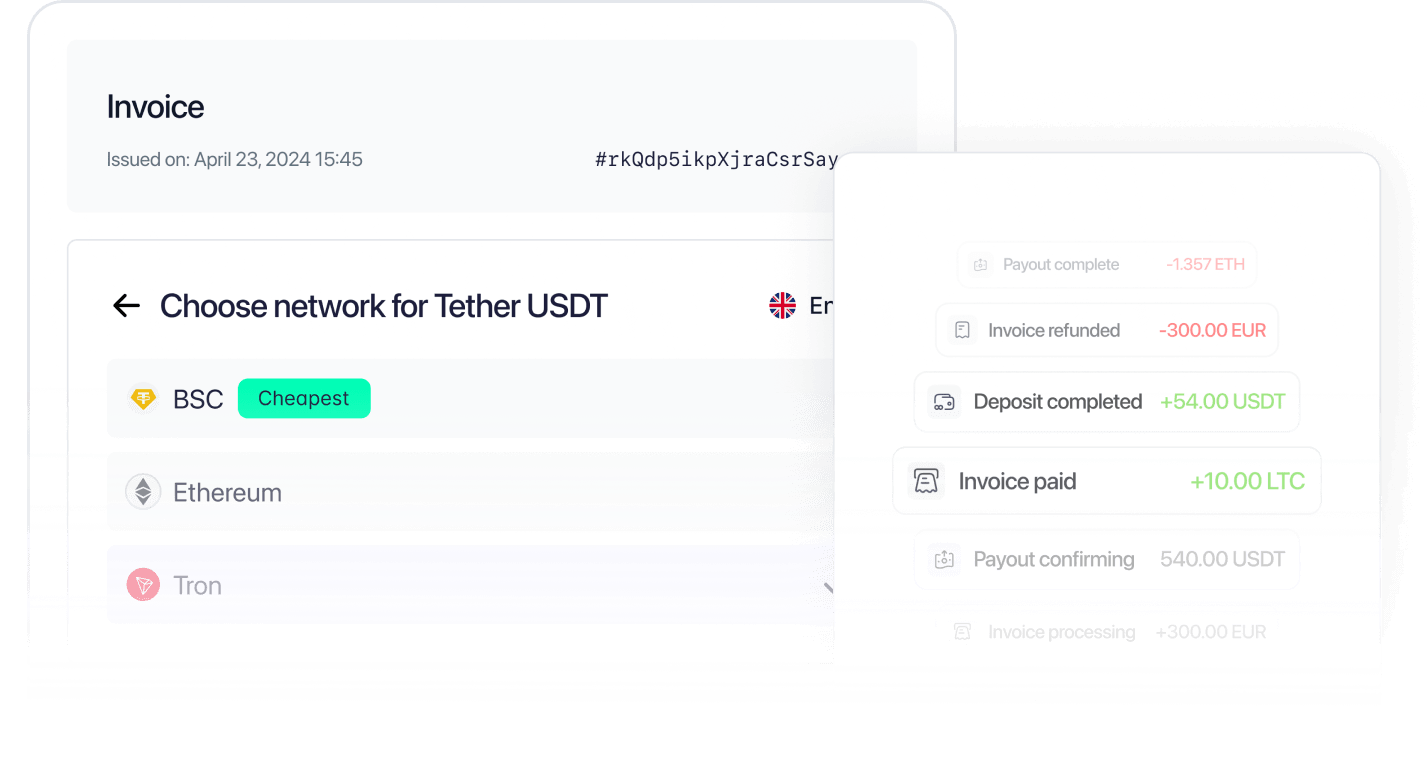
Sheepy offers businesses the kind of tools that turn crypto into a usable part of daily trade. The platform has multi-currency support, instant invoicing, mass payouts, and offers fiat onramp solution - all in one interface. These features make it easier for companies to move between crypto and traditional finance without disruption. With support for USDT and USDC, businesses gain the ability to accept fast, low-fee payments while staying in control of their flow.
The future of global trade depends on systems that are fast, secure, and trusted. A crypto payment processor plays a central role in that future. It helps move value, reduce costs, and remove barriers. As more companies trade in digital assets, this kind of infrastructure will be what makes the entire model work.
Trade runs on code now
The quiet spread of stablecoins into the fields, ports, and trade routes of the world is no longer theory. It’s practice. From soybeans to solar energy, digital dollars are becoming the new standard for how value moves. What once lived in crypto forums now powers real supply chains. This isn’t a tech trend. It’s a structural shift. Trade is no longer limited by time zones, currency rules, or banking hours. It moves when the network moves. The question is no longer if global business will adapt. It’s how fast.
Sheepy helps leading iGaming, FX, and E-commerce brands grow their crypto payments - trusted since 2022.


'%3e%3cpath%20d='M5.33337%2017.3333C5.76671%2020.7093%207.84137%2023.708%2010.6667%2025.3333'%20stroke='%231C1D3B'%20stroke-width='2'%20stroke-linecap='round'%20stroke-linejoin='round'/%3e%3cpath%20d='M26.6667%2014.6667C26.3406%2012.3203%2025.2521%2010.1462%2023.5688%208.47934C21.8856%206.81246%2019.701%205.74524%2017.3516%205.44209C15.0021%205.13893%2012.6182%205.61666%2010.5669%206.80168C8.51571%207.98669%206.911%209.81326%206%2012'%20stroke='%231C1D3B'%20stroke-width='2'%20stroke-linecap='round'%20stroke-linejoin='round'/%3e%3cpath%20d='M5.33337%206.66666V12H10.6667'%20stroke='%231C1D3B'%20stroke-width='2'%20stroke-linecap='round'%20stroke-linejoin='round'/%3e%3cpath%20d='M16%2020H18.6667C19.0203%2020%2019.3594%2020.1405%2019.6095%2020.3905C19.8595%2020.6406%2020%2020.9797%2020%2021.3333V22.6667C20%2023.0203%2019.8595%2023.3594%2019.6095%2023.6095C19.3594%2023.8595%2019.0203%2024%2018.6667%2024H17.3333C16.9797%2024%2016.6406%2024.1405%2016.3905%2024.3905C16.1405%2024.6406%2016%2024.9797%2016%2025.3333V26.6667C16%2027.0203%2016.1405%2027.3594%2016.3905%2027.6095C16.6406%2027.8595%2016.9797%2028%2017.3333%2028H20'%20stroke='%231C1D3B'%20stroke-width='2'%20stroke-linecap='round'%20stroke-linejoin='round'/%3e%3cpath%20d='M24%2020V22.6667C24%2023.0203%2024.1405%2023.3594%2024.3905%2023.6095C24.6406%2023.8595%2024.9797%2024%2025.3333%2024H26.6667'%20stroke='%231C1D3B'%20stroke-width='2'%20stroke-linecap='round'%20stroke-linejoin='round'/%3e%3cpath%20d='M28%2020V28'%20stroke='%231C1D3B'%20stroke-width='2'%20stroke-linecap='round'%20stroke-linejoin='round'/%3e%3c/g%3e%3cdefs%3e%3cclipPath%20id='clip0_17690_160'%3e%3crect%20width='32'%20height='32'%20fill='white'/%3e%3c/clipPath%3e%3c/defs%3e%3c/svg%3e)
'%3e%3cpath%20d='M10.6667%208.00001C10.6667%207.29277%2010.9477%206.61449%2011.4478%206.11439C11.9479%205.61429%2012.6262%205.33334%2013.3334%205.33334H24.0001C24.7073%205.33334%2025.3856%205.61429%2025.8857%206.11439C26.3858%206.61449%2026.6667%207.29277%2026.6667%208.00001V18.6667C26.6667%2019.3739%2026.3858%2020.0522%2025.8857%2020.5523C25.3856%2021.0524%2024.7073%2021.3333%2024.0001%2021.3333H13.3334C12.6262%2021.3333%2011.9479%2021.0524%2011.4478%2020.5523C10.9477%2020.0522%2010.6667%2019.3739%2010.6667%2018.6667V8.00001Z'%20stroke='%231C1D3B'%20stroke-width='2'%20stroke-linecap='round'%20stroke-linejoin='round'/%3e%3cpath%20d='M5.33337%2013.3333C5.33337%2012.6261%205.61433%2011.9478%206.11442%2011.4477C6.61452%2010.9476%207.2928%2010.6667%208.00004%2010.6667H18.6667C19.374%2010.6667%2020.0522%2010.9476%2020.5523%2011.4477C21.0524%2011.9478%2021.3334%2012.6261%2021.3334%2013.3333V24C21.3334%2024.7072%2021.0524%2025.3855%2020.5523%2025.8856C20.0522%2026.3857%2019.374%2026.6667%2018.6667%2026.6667H8.00004C7.2928%2026.6667%206.61452%2026.3857%206.11442%2025.8856C5.61433%2025.3855%205.33337%2024.7072%205.33337%2024V13.3333Z'%20stroke='%231C1D3B'%20stroke-width='2'%20stroke-linecap='round'%20stroke-linejoin='round'/%3e%3c/g%3e%3cdefs%3e%3cclipPath%20id='clip0_17690_177'%3e%3crect%20width='32'%20height='32'%20fill='white'/%3e%3c/clipPath%3e%3c/defs%3e%3c/svg%3e)