
 9 min reading
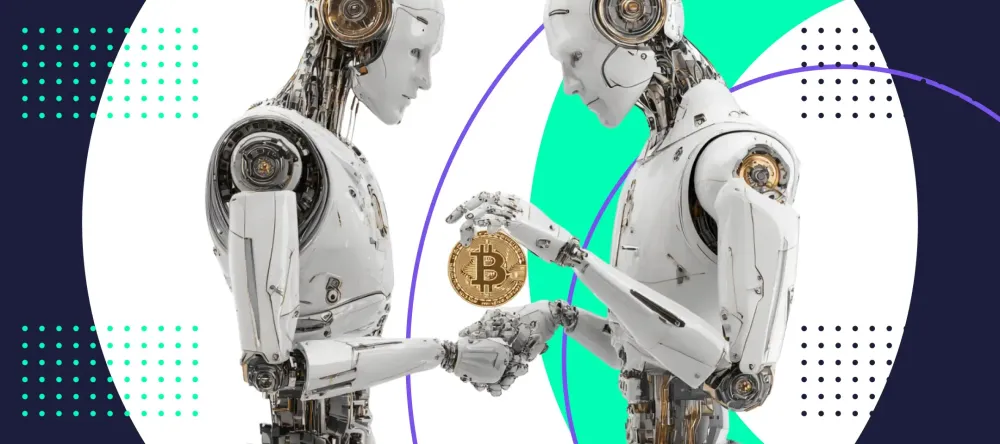
Artificial intelligence is slowly moving beyond the role of a digital assistant. Imagine your next customer never sleeps, never takes a break, and can evaluate hundreds of suppliers in seconds. That customer might not be a person at all. It could be an AI agent. The bigger question is no longer whether machines can make decisions. The real question is whether they will eventually need their own financial layer. Traditional banking was built for people. Autonomous agents could require something very different.
AI agents enter the economy as autonomous buyers
Artificial intelligence is starting to move beyond search, writing, and basic automation. Some systems can already compare products, choose digital tools, and manage workflows with little human help. This changes the role of software inside the online economy. AI is no longer acting only as an assistant. In some cases, it is beginning to behave more like a participant. An AI agent managing cloud resources could soon need extra compute power during periods of high demand.
Another autonomous agent could require access to premium data before making a business decision. These interactions create demand for financial layers that work at machine speed. This is one reason the market around the crypto payment processor model continues to gain attention across digital business environments.
The shift becomes easier to understand when looking at modern business operations. Many companies already rely on APIs for data access, software tools, and cloud services. AI agents can interact with these services much faster than people. A human may compare five vendors in an hour. An autonomous agent can compare hundreds in seconds.
That speed changes the structure of online business itself. It also creates pressure for faster financial tools.
Traditional approvals, bank delays, and limited operating hours often slow automated processes down. In environments driven by APIs and real-time decisions, delayed value transfer becomes a technical challenge instead of a banking inconvenience.
Early examples are already appearing. OpenAI introduced Operator as a tool capable of interacting with websites and completing tasks on behalf of users. Anthropic demonstrated similar capabilities through Claude Computer Use, which can navigate software interfaces and perform actions inside digital environments. Coinbase launched AgentKit to help developers build AI agents that can interact with blockchain networks and hold digital assets.
These projects do not represent a fully autonomous economy yet. They do, however, show that software is moving beyond passive assistance. The transition toward active participation has already begun. The growing role of the crypto payment processor could become part of that broader shift toward machine-driven economic activity.
Traditional payment infrastructure was built for humans, not machines
Banks and card networks developed around human behavior. People sleep, work fixed hours, and operate within local rules. Financial rails reflect those patterns. Business transfers often depend on approvals, regional checks, and manual review. Cross-border processing can take days. Banking access also differs between regions. An AI agent operating through APIs does not follow human schedules. A service running nonstop creates pressure on older financial architecture. Delays that feel normal for people create friction for automated business activity. Growing interest around the crypto payment processor model reflects that broader shift.
Another challenge comes from identity and access requirements. Most financial networks expect a person or company behind every action. AI-driven business activity creates a different environment. An autonomous agent can rent cloud storage, buy access to data, or renew software without direct human involvement during every step. Traditional finance was not built for constant machine-driven activity. Geographic limits also create challenges for services operating in many regions at once.
Stablecoin transfers connected to the USDT network already support faster global movement of value. Real-time API interactions fit online business far better than slow banking workflows. Because of that shift, more companies are studying programmable finance and crypto-native transfers. Demand around the crypto payment processor sector continues growing alongside automation trends.
Cost structure creates another barrier for older financial rails. Small machine-driven transfers do not fit traditional processing very well. AI-driven business activity could involve thousands of tiny exchanges tied to compute access, API calls, or premium data requests. Card fees and banking delays reduce efficiency in those environments.
Stablecoins connected to USDT ERC-20 and USDC TRC-20 support faster execution and lower friction for global transfers. Crypto-based financial tools also work around fixed banking hours and regional limitations. Businesses searching for scalable solutions are paying closer attention to stablecoin flows and programmable finance. Crypto payment processor platforms already operate around APIs, stablecoins, and instant execution logic. Those capabilities align more naturally with machine-driven activity than financial rails designed around human behavior.
Crypto payment infrastructure becomes the native rail behind machine commerce
Machine commerce relies on continuous activity across digital networks and API connections. Human banking habits create delays inside rapidly moving online environments. AI agents need access, value transfer, and execution without regional banking interruptions. Stablecoins already support global transfers through always-active blockchain payment gateway networks.
Real-time execution matters during automated purchases involving cloud storage, premium data, and APIs.
Businesses increasingly examine crypto-native financial flows tied directly to machine-driven activity. Interest around the crypto payment processor sector keeps growing alongside programmable commerce and stablecoin adoption.
Large financial and technology companies are already exploring what machine-driven transactions could look like. Visa has publicly discussed initiatives around AI commerce and autonomous purchasing experiences. Startups such as Skyfire are building financial rails designed specifically for AI agents. Their goal is to allow software to access services, data, and computing resources without relying on traditional subscription models. These developments suggest that the conversation is moving beyond theory. Early foundations for agent-driven transactions are already taking shape. The market is beginning to build around that reality.
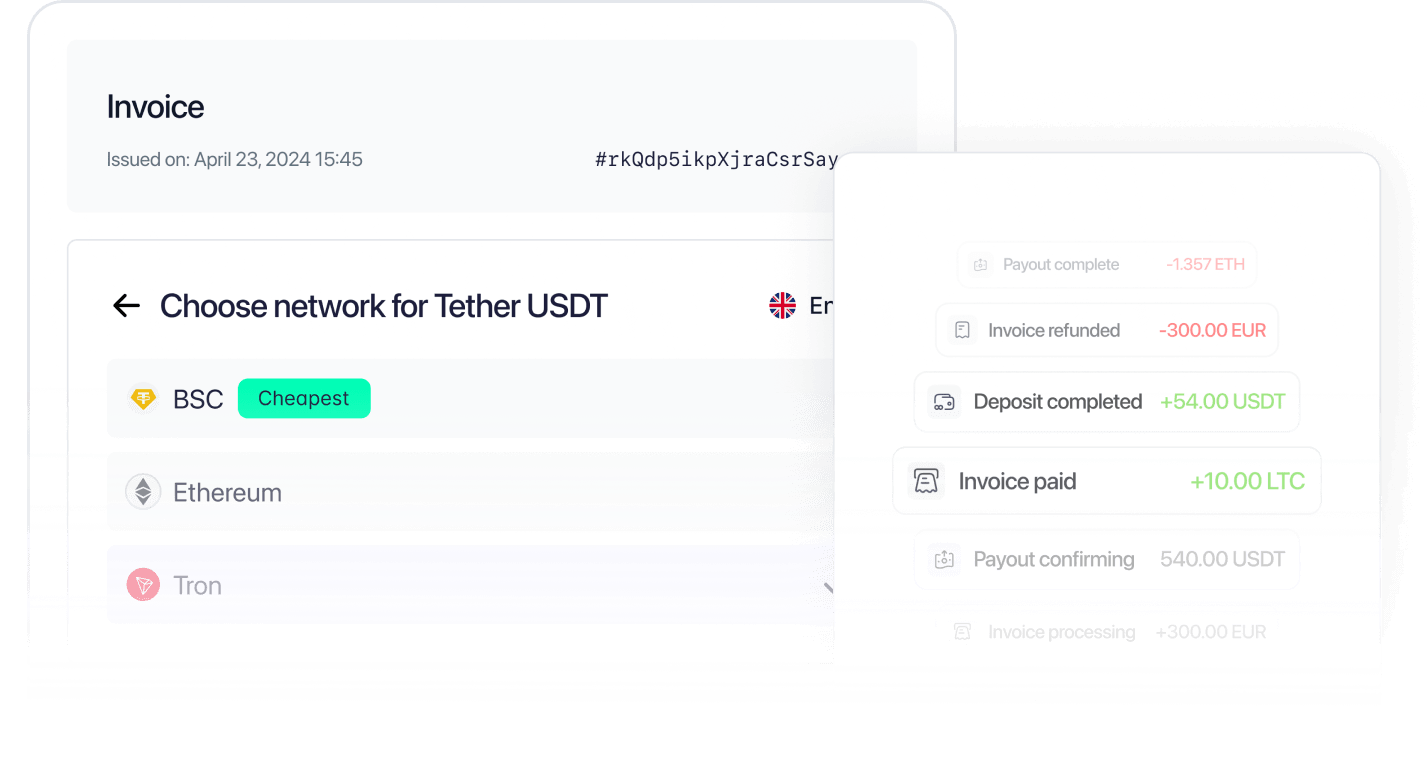
Stablecoins play an important role in automated exchanges between connected online services. Assets linked through USDT ERC-20 and USDC TRC-20 support fast global movement of value. Traditional banking often struggles with nonstop activity involving multiple regions at the same time. Programmable finance reduces delays connected with manual approvals and regional bottlenecks. API-driven architecture also supports execution tied directly to machine-driven business operations. Crypto payment processor Sheepy operates around API-based crypto processing and stablecoin transaction flows. Demand continues rising among businesses searching for faster ways to move value between online services.
Programmable wallets and stablecoins reshape machine activity
AI agents already handle many routine business tasks during normal online activity. Some software agents allocate additional server resources during periods of heavy demand. Other autonomous agents request fresh market data before making important business decisions. Wallet tools give software direct access to stablecoin balances without human approval during every step.
API connections allow fast value exchange between cloud platforms, data vendors, and software providers. Growing interest around the crypto payment processor market reflects rising demand connected with machine-driven activity. Fast blockchain networks reduce delays and support nonstop value movement between connected online services.
Stablecoins linked to USDT ERC-20 and USDC TRC-20 already support rapid movement of value. Many online businesses now depend on nonstop API activity during cloud operations and data exchange. Older banking rails often struggle when software activity continues during every hour of the day. Programmable wallet logic allows businesses to define spending limits and approval rules.
Some firms already study new financial models connected with machine-driven purchasing and API usage patterns. Crypto payment processor Sheepy supports stablecoin processing tied to API-based business activity and global value movement. Strong API architecture helps companies manage stablecoin flows with greater speed and operational clarity.
One important challenge remains unresolved. An AI agent cannot simply receive unlimited spending authority. Businesses need clear controls around identity, permissions, and risk management. Spending limits, delegated authority, wallet authentication, and approval rules could play a central role in future machine-driven finance. Questions around trust remain just as important as questions around technology. In many ways, the discussion is no longer about whether software can move money. The larger issue involves defining how much financial freedom software should receive. That debate is already beginning across the industry.
Machine economies accelerate the shift toward programmable commerce
A larger shift is emerging behind recent advances in artificial intelligence. The focus is no longer limited to smarter software or better automation. A new economic layer is beginning to emerge. Software agents can already search, compare, select, and acquire services with very little human input. As those capabilities expand, machine activity will become more common in online business environments.
An AI agent managing cloud resources could interact with dozens of vendors during a single day. Another software agent could purchase data access based on changing market conditions. Growing interest in the crypto payment processor sector reflects broader attention toward economic activity driven by software rather than people.

Research firms, technology companies, and investors increasingly discuss the role of AI agents inside future business operations. Forecasts differ, but the overall direction remains clear. More software is expected to make decisions, manage workflows, and interact with external services without constant human supervision.
That shift creates a larger addressable market for programmable finance. It also increases demand for financial tools capable of operating at machine speed. The conversation is no longer limited to productivity gains. Economic participation is becoming part of the discussion as well. That represents a meaningful change in how businesses think about software.
Business leaders are beginning to look beyond simple automation and toward autonomous economic activity. The discussion is no longer limited to reducing manual work. Attention is shifting toward software capable of participating in commercial relationships. That shift creates new opportunities for cryptocurrency payment solutions built around APIs and stablecoins. Crypto payment processor platforms already support many of the capabilities associated with machine-driven business activity. Machine economies remain at an early stage. Current trends nevertheless suggest that programmable financial interactions could become a much larger part of global business activity.
A new layer of economic activity
The most important shift is not artificial intelligence itself. It is the possibility that software becomes an active participant in economic activity. Banking, billing, and online purchasing were built around human behavior for decades. A growing network of autonomous agents introduces a different set of requirements. Fast execution, stable value transfer, and API-driven interactions fit that environment far better. As machine economies continue to develop, companies that understand programmable finance today could be better prepared for the next stage of online business tomorrow.
Sheepy helps leading iGaming, FX, and E-commerce brands grow their crypto payments - trusted since 2022.


'%3e%3cpath%20d='M5.33337%2017.3333C5.76671%2020.7093%207.84137%2023.708%2010.6667%2025.3333'%20stroke='%231C1D3B'%20stroke-width='2'%20stroke-linecap='round'%20stroke-linejoin='round'/%3e%3cpath%20d='M26.6667%2014.6667C26.3406%2012.3203%2025.2521%2010.1462%2023.5688%208.47934C21.8856%206.81246%2019.701%205.74524%2017.3516%205.44209C15.0021%205.13893%2012.6182%205.61666%2010.5669%206.80168C8.51571%207.98669%206.911%209.81326%206%2012'%20stroke='%231C1D3B'%20stroke-width='2'%20stroke-linecap='round'%20stroke-linejoin='round'/%3e%3cpath%20d='M5.33337%206.66666V12H10.6667'%20stroke='%231C1D3B'%20stroke-width='2'%20stroke-linecap='round'%20stroke-linejoin='round'/%3e%3cpath%20d='M16%2020H18.6667C19.0203%2020%2019.3594%2020.1405%2019.6095%2020.3905C19.8595%2020.6406%2020%2020.9797%2020%2021.3333V22.6667C20%2023.0203%2019.8595%2023.3594%2019.6095%2023.6095C19.3594%2023.8595%2019.0203%2024%2018.6667%2024H17.3333C16.9797%2024%2016.6406%2024.1405%2016.3905%2024.3905C16.1405%2024.6406%2016%2024.9797%2016%2025.3333V26.6667C16%2027.0203%2016.1405%2027.3594%2016.3905%2027.6095C16.6406%2027.8595%2016.9797%2028%2017.3333%2028H20'%20stroke='%231C1D3B'%20stroke-width='2'%20stroke-linecap='round'%20stroke-linejoin='round'/%3e%3cpath%20d='M24%2020V22.6667C24%2023.0203%2024.1405%2023.3594%2024.3905%2023.6095C24.6406%2023.8595%2024.9797%2024%2025.3333%2024H26.6667'%20stroke='%231C1D3B'%20stroke-width='2'%20stroke-linecap='round'%20stroke-linejoin='round'/%3e%3cpath%20d='M28%2020V28'%20stroke='%231C1D3B'%20stroke-width='2'%20stroke-linecap='round'%20stroke-linejoin='round'/%3e%3c/g%3e%3cdefs%3e%3cclipPath%20id='clip0_17690_160'%3e%3crect%20width='32'%20height='32'%20fill='white'/%3e%3c/clipPath%3e%3c/defs%3e%3c/svg%3e)
'%3e%3cpath%20d='M10.6667%208.00001C10.6667%207.29277%2010.9477%206.61449%2011.4478%206.11439C11.9479%205.61429%2012.6262%205.33334%2013.3334%205.33334H24.0001C24.7073%205.33334%2025.3856%205.61429%2025.8857%206.11439C26.3858%206.61449%2026.6667%207.29277%2026.6667%208.00001V18.6667C26.6667%2019.3739%2026.3858%2020.0522%2025.8857%2020.5523C25.3856%2021.0524%2024.7073%2021.3333%2024.0001%2021.3333H13.3334C12.6262%2021.3333%2011.9479%2021.0524%2011.4478%2020.5523C10.9477%2020.0522%2010.6667%2019.3739%2010.6667%2018.6667V8.00001Z'%20stroke='%231C1D3B'%20stroke-width='2'%20stroke-linecap='round'%20stroke-linejoin='round'/%3e%3cpath%20d='M5.33337%2013.3333C5.33337%2012.6261%205.61433%2011.9478%206.11442%2011.4477C6.61452%2010.9476%207.2928%2010.6667%208.00004%2010.6667H18.6667C19.374%2010.6667%2020.0522%2010.9476%2020.5523%2011.4477C21.0524%2011.9478%2021.3334%2012.6261%2021.3334%2013.3333V24C21.3334%2024.7072%2021.0524%2025.3855%2020.5523%2025.8856C20.0522%2026.3857%2019.374%2026.6667%2018.6667%2026.6667H8.00004C7.2928%2026.6667%206.61452%2026.3857%206.11442%2025.8856C5.61433%2025.3855%205.33337%2024.7072%205.33337%2024V13.3333Z'%20stroke='%231C1D3B'%20stroke-width='2'%20stroke-linecap='round'%20stroke-linejoin='round'/%3e%3c/g%3e%3cdefs%3e%3cclipPath%20id='clip0_17690_177'%3e%3crect%20width='32'%20height='32'%20fill='white'/%3e%3c/clipPath%3e%3c/defs%3e%3c/svg%3e)