
 8 min reading
Stablecoins were once seen as a simple bridge between crypto and traditional money. That idea is now changing fast. New laws in the United States and Europe are quietly reshaping how these digital assets work. The GENIUS Act and MiCA are pushing stablecoins toward a new role in finance. Instead of acting like bank deposits, many will behave more like digital cash. This shift could redefine how value moves across the internet and how global payments evolve. It may also split the stablecoin market into two very different systems.
Stablecoins are being redesigned as digital cash
For years, stablecoins were treated like simple digital tokens tied to fiat money. Many people used them as a place to store value inside crypto markets. They moved funds between exchanges or waited for the next trade. Yet regulators started to see a deeper risk in this model. If millions of users treat stablecoins like deposits, panic can spread fast during stress. That risk became clear after several crypto failures. As a result, lawmakers began to rethink what stablecoins should actually represent.
Both the GENIUS Act in the United States and MiCA in Europe push stablecoins toward a different role. They focus on stablecoins as tools for transactions rather than savings products. Under this model, the issuer must keep strong reserves and guarantee redemption. Users should always be able to exchange tokens for traditional money. This structure makes stablecoins behave more like digital cash than bank balances. Such design fits well with a modern blockchain payment gateway, where assets move quickly between platforms and users. The goal is simple - keep digital transfers stable and predictable even during market stress.
This shift also changes how financial infrastructure may develop in the coming years.
When stablecoins act like transaction money, they fit naturally into online commerce. A merchant can accept tokens without worrying about large price swings. Service platforms can integrate them directly into checkout systems. In that environment, tools like a bitcoin payment gateway may work alongside stablecoins to support different transaction flows. As the ecosystem grows, many crypto payment providers are building platforms that connect wallets, merchants, and exchanges. In practice, this means stablecoins could become a basic layer for a global blockchain payment gateway and a broader cryptocurrency payment system.
Why regulators are pushing stablecoins away from deposits
Regulators worry about one simple problem. If stablecoins look like bank deposits, people will treat them the same way. They may store large amounts of money in digital wallets instead of bank accounts. That creates new financial risks outside the traditional banking system. During calm periods this may not seem dangerous. But in moments of panic, users could rush to redeem their tokens at once. Such sudden withdrawals can trigger liquidity stress. Because of that risk, lawmakers want stablecoins to function more like tools for transactions than savings accounts.
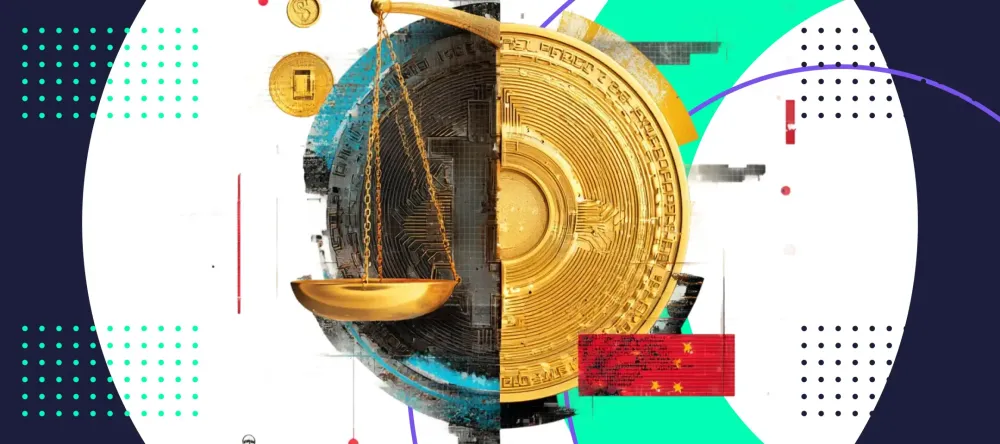
The GENIUS Act in the United States takes this concern seriously. The law focuses on what officials call payment stablecoins. These tokens must be backed by safe and liquid reserves. The issuer must be able to redeem them quickly and reliably. Stablecoins should not promise interest or yield to holders. This rule prevents them from acting like deposit products. Instead, they are meant to support daily transactions across digital networks. In practice, such assets can move through systems like a blockchain payment gateway, where speed and stability matter more than long-term storage.
European regulators follow a similar path through the MiCA framework. The rules require issuers to maintain clear reserve structures and strong redemption rights. Users must always know they can exchange their tokens for fiat money. This approach keeps stablecoins close to the idea of electronic cash. It also protects the wider financial system from hidden credit risks. When stablecoins are used mainly for transactions, they fit naturally into financial infrastructure. They can support merchant transfers, cross-border settlements, and online services. In that environment, a blockchain payment gateway becomes part of a broader cryptocurrency payment system that connects wallets, exchanges, and global digital finance platforms.
The rise of shadow deposits outside the banking system
When stablecoins lose the role of savings tools, user behavior does not disappear. People still want a place to hold value inside digital markets. That demand does not vanish because a law changes the structure of tokens. Instead, the market slowly builds new layers around the asset. Platforms begin offering yield programs, lending tools, and wallet incentives. These services create a new kind of digital balance. It may look like simple token storage, but the economic logic is closer to a deposit.
Many analysts describe this effect as the growth of shadow deposits. The token itself may remain fully backed and liquid. Yet the services around it start adding financial risk. Exchanges, lending protocols, and crypto platforms often promise returns. Those returns come from loans, liquidity pools, or trading strategies. As more users join these systems, large pools of digital capital form outside banks. In such an environment, infrastructure like a blockchain payment gateway connects wallets, exchanges, and merchant systems.
The token moves smoothly through networks while the financial risk sits one layer above it.
The same dynamic has appeared many times in financial history. Traditional banking also created shadow structures over time. Money market funds, repo markets, and structured products grew beside normal deposits. Stablecoins may follow a similar path in digital finance. A token can act like cash inside a cryptocurrency payment system while platforms build lending activity around it. As adoption spreads, tools such as a bitcoin payment gateway or a bitcoin payment processor connect merchants and digital platforms. Within that wider ecosystem, the blockchain payment gateway becomes a key bridge between blockchain infrastructure and the growing network of crypto payment providers.
What this split means for global financial infrastructure
A major regulatory shift rarely changes only one market segment. Stablecoins sit at the center of digital finance, so new rules affect many layers of the ecosystem. When regulators push stablecoins toward a cash-like role, the entire structure of digital value movement begins to adjust. Exchanges, wallets, and fintech platforms must rethink how digital assets circulate. Liquidity flows may reorganize across networks and services. Large institutions also watch these developments closely. For them, stablecoins may become a neutral settlement tool rather than a speculative asset.
A regulated environment also strengthens trust among businesses that handle digital assets. Merchants, platforms, and service providers often look for stable instruments that reduce volatility risk. When tokens behave more like digital cash, adoption becomes easier for companies entering the crypto economy. Infrastructure providers already build tools that move assets between platforms, wallets, and trading venues. In such architecture, a blockchain payment gateway acts as a technical bridge between blockchain networks and commercial platforms. Reliable infrastructure helps businesses accept digital assets without major operational complexity. Over time, such systems may form the backbone of a global cryptocurrency payment system.

Another consequence appears in the growing role of financial infrastructure providers. Companies building crypto platforms now focus on reliability and connectivity rather than speculation. Integration tools allow merchants and online services to connect digital asset flows into existing systems. As a result, digital assets begin to resemble traditional financial rails in structure. Global commerce increasingly depends on fast and transparent movement of money across borders. Within that environment, the blockchain payment gateway becomes a central infrastructure component linking wallets, platforms, and service providers across the digital economy.
How stablecoin regulation could reshape the future of crypto infrastructure
Stablecoins are moving into a new phase of development. Early crypto markets used them mainly as a simple trading tool. Traders moved capital between exchanges and held digital dollars during market swings. A new legal framework now changes how such tokens operate. Strong reserve rules and clear redemption rights shape their design. Lawmakers want stability and predictability across digital finance. As regulation grows stronger, stablecoins begin to resemble a neutral settlement asset across networks. That shift may quietly transform how assets move through the global crypto economy.
Infrastructure providers are already adapting to that transition. Platforms once focused only on trading activity. Now they build tools that support merchant services, cross-border transfers, and digital commerce. Wallet providers and fintech companies search for reliable ways to move stable assets across networks. A blockchain payment gateway fits naturally into that environment. It connects wallets, platforms, and online services through a common technical layer. Digital assets can move quickly between different applications without friction.
Such architecture encourages wider adoption across businesses and online platforms.
Another long-term effect involves the growth of financial infrastructure around stable digital assets. Large technology companies, fintech startups, and financial institutions all explore new digital rails. Instead of building isolated systems, many create interoperable networks that connect blockchains with commercial services. Stablecoins act as the liquidity layer that keeps those systems running smoothly. In such an ecosystem, a blockchain payment gateway becomes a central bridge linking digital networks with global commerce. As regulation clarifies the rules, digital assets may finally move from experimental tools to core financial infrastructure.
Digital cash or digital deposits
Stablecoins are entering a new stage of financial evolution. Regulators in the United States and Europe are no longer debating whether stablecoins should exist. The focus has shifted toward defining what role they should play in the global financial system. New rules push stablecoins closer to digital cash rather than digital savings tools. Yet markets rarely follow regulation in a straight line. Demand for yield and capital storage will continue to create new financial layers around stable assets. As digital finance expands, infrastructure such as a blockchain payment gateway may become a key link between regulated stablecoins and the wider digital economy.
Sheepy helps leading iGaming, FX, and E-commerce brands grow their crypto payments - trusted since 2022.


'%3e%3cpath%20d='M5.33337%2017.3333C5.76671%2020.7093%207.84137%2023.708%2010.6667%2025.3333'%20stroke='%231C1D3B'%20stroke-width='2'%20stroke-linecap='round'%20stroke-linejoin='round'/%3e%3cpath%20d='M26.6667%2014.6667C26.3406%2012.3203%2025.2521%2010.1462%2023.5688%208.47934C21.8856%206.81246%2019.701%205.74524%2017.3516%205.44209C15.0021%205.13893%2012.6182%205.61666%2010.5669%206.80168C8.51571%207.98669%206.911%209.81326%206%2012'%20stroke='%231C1D3B'%20stroke-width='2'%20stroke-linecap='round'%20stroke-linejoin='round'/%3e%3cpath%20d='M5.33337%206.66666V12H10.6667'%20stroke='%231C1D3B'%20stroke-width='2'%20stroke-linecap='round'%20stroke-linejoin='round'/%3e%3cpath%20d='M16%2020H18.6667C19.0203%2020%2019.3594%2020.1405%2019.6095%2020.3905C19.8595%2020.6406%2020%2020.9797%2020%2021.3333V22.6667C20%2023.0203%2019.8595%2023.3594%2019.6095%2023.6095C19.3594%2023.8595%2019.0203%2024%2018.6667%2024H17.3333C16.9797%2024%2016.6406%2024.1405%2016.3905%2024.3905C16.1405%2024.6406%2016%2024.9797%2016%2025.3333V26.6667C16%2027.0203%2016.1405%2027.3594%2016.3905%2027.6095C16.6406%2027.8595%2016.9797%2028%2017.3333%2028H20'%20stroke='%231C1D3B'%20stroke-width='2'%20stroke-linecap='round'%20stroke-linejoin='round'/%3e%3cpath%20d='M24%2020V22.6667C24%2023.0203%2024.1405%2023.3594%2024.3905%2023.6095C24.6406%2023.8595%2024.9797%2024%2025.3333%2024H26.6667'%20stroke='%231C1D3B'%20stroke-width='2'%20stroke-linecap='round'%20stroke-linejoin='round'/%3e%3cpath%20d='M28%2020V28'%20stroke='%231C1D3B'%20stroke-width='2'%20stroke-linecap='round'%20stroke-linejoin='round'/%3e%3c/g%3e%3cdefs%3e%3cclipPath%20id='clip0_17690_160'%3e%3crect%20width='32'%20height='32'%20fill='white'/%3e%3c/clipPath%3e%3c/defs%3e%3c/svg%3e)
'%3e%3cpath%20d='M10.6667%208.00001C10.6667%207.29277%2010.9477%206.61449%2011.4478%206.11439C11.9479%205.61429%2012.6262%205.33334%2013.3334%205.33334H24.0001C24.7073%205.33334%2025.3856%205.61429%2025.8857%206.11439C26.3858%206.61449%2026.6667%207.29277%2026.6667%208.00001V18.6667C26.6667%2019.3739%2026.3858%2020.0522%2025.8857%2020.5523C25.3856%2021.0524%2024.7073%2021.3333%2024.0001%2021.3333H13.3334C12.6262%2021.3333%2011.9479%2021.0524%2011.4478%2020.5523C10.9477%2020.0522%2010.6667%2019.3739%2010.6667%2018.6667V8.00001Z'%20stroke='%231C1D3B'%20stroke-width='2'%20stroke-linecap='round'%20stroke-linejoin='round'/%3e%3cpath%20d='M5.33337%2013.3333C5.33337%2012.6261%205.61433%2011.9478%206.11442%2011.4477C6.61452%2010.9476%207.2928%2010.6667%208.00004%2010.6667H18.6667C19.374%2010.6667%2020.0522%2010.9476%2020.5523%2011.4477C21.0524%2011.9478%2021.3334%2012.6261%2021.3334%2013.3333V24C21.3334%2024.7072%2021.0524%2025.3855%2020.5523%2025.8856C20.0522%2026.3857%2019.374%2026.6667%2018.6667%2026.6667H8.00004C7.2928%2026.6667%206.61452%2026.3857%206.11442%2025.8856C5.61433%2025.3855%205.33337%2024.7072%205.33337%2024V13.3333Z'%20stroke='%231C1D3B'%20stroke-width='2'%20stroke-linecap='round'%20stroke-linejoin='round'/%3e%3c/g%3e%3cdefs%3e%3cclipPath%20id='clip0_17690_177'%3e%3crect%20width='32'%20height='32'%20fill='white'/%3e%3c/clipPath%3e%3c/defs%3e%3c/svg%3e)