
 9 min reading
Many businesses looking for a way to accept digital assets focus on the most visible factors, such as fees, supported coins, and setup costs. These details matter, but they rarely determine long-term success. Problems often appear later. A payment solution may struggle with settlement, reporting, or growth. As a result, companies can end up replacing their provider after months of work. Understanding what really matters before integration can help avoid costly mistakes and save valuable time.
Most businesses choose a crypto payment processor for the wrong reasons
Many businesses choose a crypto payment processor based on factors that have little impact on long-term performance. They compare fees first. Then they look at the number of supported cryptocurrencies. A modern interface may also influence the decision. These details are easy to compare. They are visible from the first visit to a provider’s website. However, they rarely determine how well a payment platform will support a business over time.
The real challenges often appear after integration is complete. A company may discover that settlements are only available in a limited number of currencies, creating extra conversion steps and operational costs. Reporting tools may not meet the needs of the finance team. Cross-border transactions may require additional manual work. Some providers focus on payment acceptance but offer limited support for settlements, stablecoin conversions, or treasury operations. As transaction volume grows, these limitations may become more noticeable. What once looked like a simple solution can gradually become an operational burden.
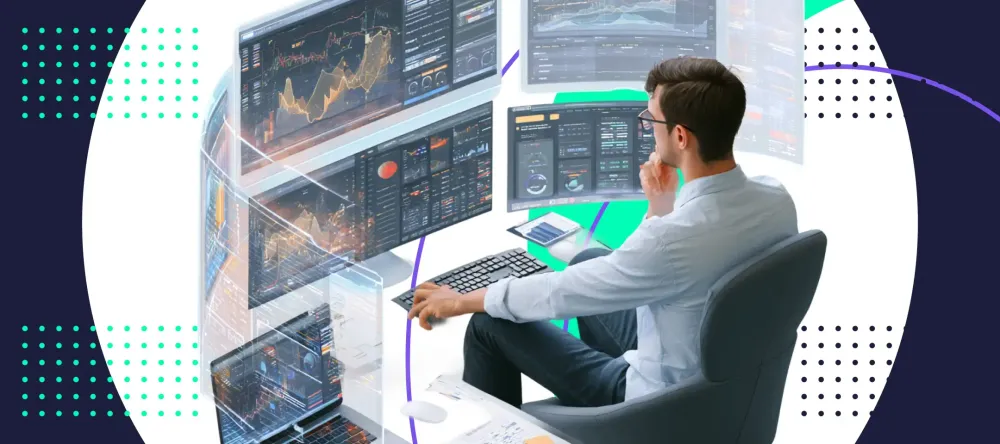
This is why experienced merchants often evaluate the broader payment infrastructure instead of focusing on surface-level features. A provider should support business payments in a practical and reliable way. The ability to support stablecoin settlements, global transactions, and future growth often matters more than a long list of supported assets. Many businesses also pay closer attention to payout capabilities and integration options. These factors influence how efficiently money moves through the organization. They can also affect how quickly a company adapts to new opportunities. In many cases, these factors have a greater impact on profitability than the processing fee displayed on a provider’s website.
Why stablecoin infrastructure matters more than the number of supported coins
A few years ago, many businesses evaluated providers by asking a simple question. How many cryptocurrencies do you support? The answer often became a selling point. Some platforms promoted hundreds of digital assets. At first glance, that sounded impressive. Yet business needs have changed. Today, many companies care less about the size of a coin list and more about how money moves through the payment system. Businesses increasingly evaluate payment providers based on settlement capabilities rather than the number of supported assets. This shift has made stablecoin infrastructure a much more important consideration when choosing a crypto payment processor.
The reason is simple. Stablecoins are designed to reduce the price volatility associated with many digital assets. For businesses, predictable value is often more important than access to a large number of tokens. In practice, many companies rely on stablecoins far more often than on long-tail digital assets. A company accepting payments may need to settle invoices, manage cash flow, or pay international partners. In these situations, stablecoin settlement often becomes a critical part of the payment workflow. Fast conversion options, reliable liquidity, and efficient fiat conversion processes may have a direct impact on daily operations. When these capabilities are missing, even a well-designed payment platform can create unnecessary friction.
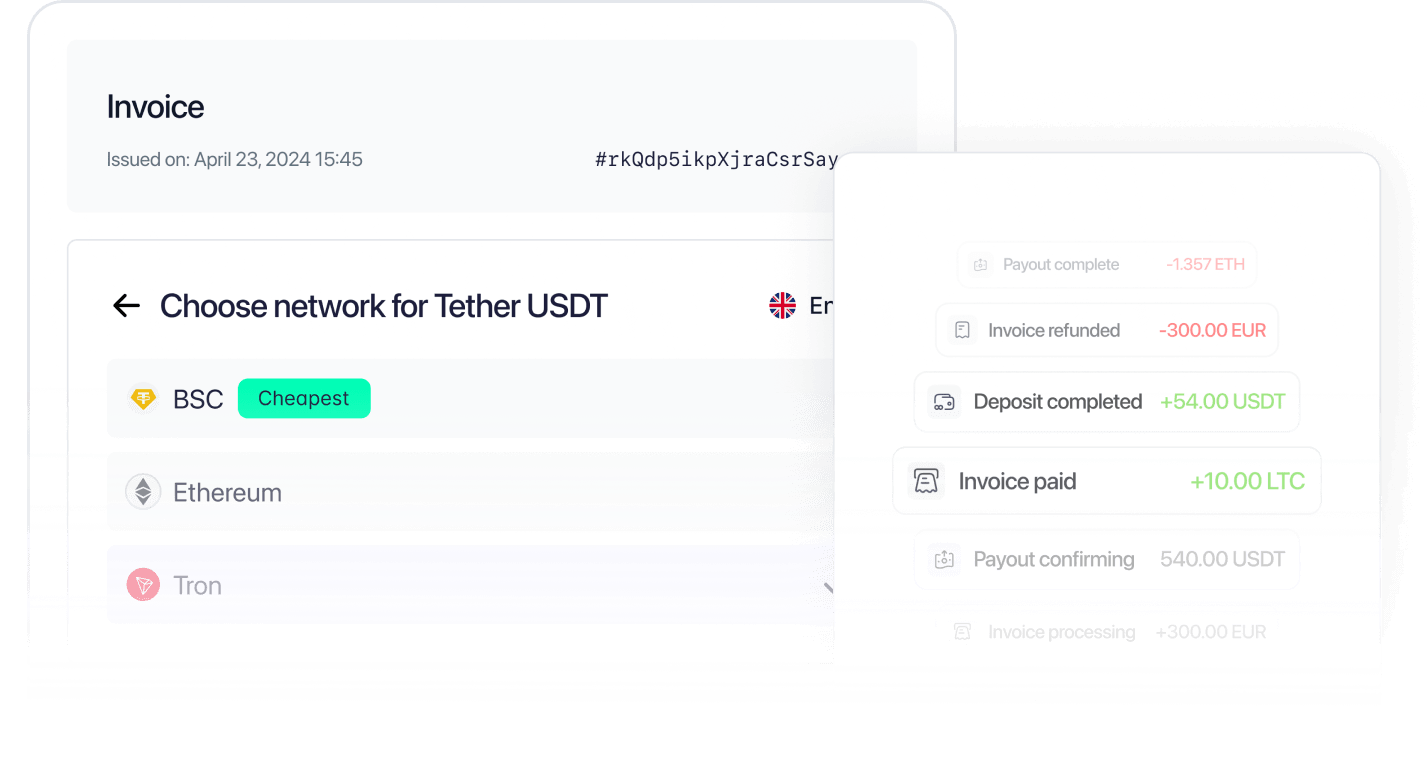
This is also where infrastructure becomes more important than marketing claims. Sheepy.com focuses on cryptocurrency payment processing for businesses that want to accept digital assets through a dedicated payment gateway. The platform supports crypto payments and settlement options that can help companies manage transactions more efficiently. Businesses evaluating payment providers often review factors such as integration, settlement flexibility, and payment flows before making a decision. Looking at how a provider approaches these areas may offer useful insight into its long-term value. A strong operational foundation can be more important than an extensive list of supported coins. That reality is becoming increasingly relevant as companies expand their use of digital payments.
The difference becomes even more visible as transaction volume grows. A business may start with occasional crypto transactions. Later, it may process payments across several markets. At that stage, settlement speed, reporting quality, and operational efficiency often become key priorities. A crypto payment processor that supports stablecoin settlements and business payments can help reduce complexity as operations expand. Strong payout capabilities may also become more important over time. For many companies, that capability ultimately delivers more value than access to hundreds of rarely used cryptocurrencies.
The hidden costs that can make a cheap provider expensive
A low fee can look attractive during the selection process. Many businesses focus on the number shown on the pricing page. That figure is easy to compare across different providers. It can also create a false sense of value. A crypto payment processor may advertise a competitive rate while other expenses remain less visible. Those expenses often appear after integration is complete. By that stage, changing providers can require significant time and effort.
In practice, a low processing fee does not always translate into a low total cost. One common issue involves exchange rates and asset conversion. A small difference in conversion pricing can accumulate across thousands of transactions. It can also have a measurable impact on revenue. The effect may seem minor at the start. It often becomes clear only when transaction volume grows. Slippage can also reduce the final amount received during asset conversion.
Network charges create another area that deserves careful review. Digital asset transfers depend on blockchain activity. During periods of heavy usage, transaction costs may increase. Delays can also affect settlement timing. Withdrawal charges may add another layer of expense. These costs often become clearer as transaction activity increases. Operational tasks can also require staff time when automation is limited.
Risk management should also be part of the evaluation process. A provider with weak compliance practices can create challenges later. Businesses may face additional reviews or operational disruptions. Internal teams may spend extra time handling documentation requests. These indirect expenses rarely appear on pricing pages. A reliable crypto payment processor should offer transparency across settlement processes, reporting tools, and operational workflows. Looking beyond the advertised fee often reveals the true cost of operating digital asset infrastructure.
Will your crypto payment processor still work for you next year?
Many businesses choose a provider based on current needs. During the early stages, transaction volume, reporting requirements, and operational complexity often remain manageable. Under those conditions, almost any solution appears suitable. A processor built for a small operation may not be suitable once transaction volume begins to scale. What works for 100 transactions per month may not work for 10,000. The real test begins when transaction volume, reporting requirements, and settlement activity start to scale. A crypto payment processor should support both present operations and future requirements.
Growth often brings new operational demands. Expansion into new markets introduces new partners, suppliers, and settlement requirements. Finance teams frequently need better reporting and visibility across digital asset activity. Manual workflows which seemed acceptable during the early stages can become difficult to manage. Delays and repetitive tasks frequently consume valuable resources. Efficient automation helps reduce this burden and supports smoother operations as transaction activity increases. Automated settlements, reporting, and payout workflows become increasingly important as businesses scale.
International expansion creates another challenge. Settlement expectations, compliance procedures, and financial processes often vary across jurisdictions. A provider should offer enough flexibility to support these changes. Cross-border activity also places greater pressure on operational systems. Teams need reliable access to transaction data, settlement information, and reporting tools. Strong infrastructure helps maintain consistency across several markets and business units. This level of operational visibility becomes increasingly important as organizations grow.
Scalability is not only about handling higher transaction volume. It also involves supporting new business models and operational requirements. Mass payouts, partner settlements, and growing transaction flows often place additional demands on internal teams. A crypto payment processor should help reduce complexity instead of creating new layers of administrative work. Businesses rarely remain static for long periods. Infrastructure decisions made today often shape how easily a business scales tomorrow.
The checklist smart companies use before signing a contract
By the final stage of provider selection, businesses should focus less on product features and more on operational realities. Fees still matter. Supported assets still matter. Yet smart companies look beyond sales pages. They focus on how a provider performs under real operating conditions. They also evaluate what happens after integration, not only during onboarding. A crypto payment processor should be judged by the quality of its answers before a contract is signed.
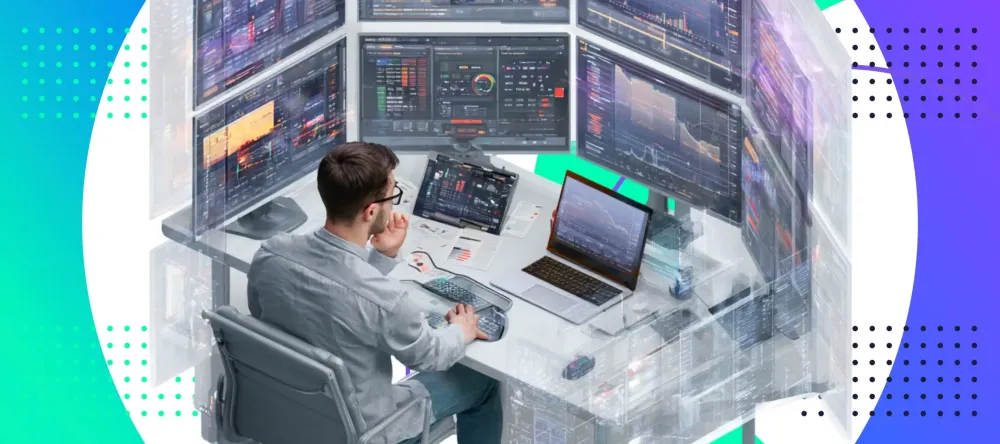
The first questions should focus on settlement and cost. How quickly do funds move from a completed transaction into a usable balance? Settlement speed can directly affect cash flow and operational flexibility. Which costs are not included in the advertised processing fee? Hidden conversion costs, withdrawal charges, and network fees can significantly increase total operating expenses. How are stablecoin settlements handled? The answer often reveals how efficiently funds move through the provider’s infrastructure and whether the service is designed for business use at scale.
The next questions should focus on growth and operations. What reporting tools are available to finance teams? Strong reporting helps businesses maintain visibility as transaction activity increases. Which settlement, reporting, and payout workflows can be automated? Automation often reduces manual work and improves efficiency. What happens if transaction volume doubles within the next 12 months? The answer frequently reveals whether a provider is designed for long-term growth or only for smaller transaction volumes. A reliable crypto payment processor should provide clear and practical answers to these questions.
The goal is not simply to complete an integration. The goal is to understand how a provider will perform once transaction activity becomes larger, faster, and more complex. Marketing materials often highlight features. Due diligence reveals how those features work in practice. The questions asked before signing a contract frequently provide a clearer picture than any product demonstration. Businesses that evaluate the answers carefully are often better prepared for long-term growth and operational stability.
The choice that matters a year later
The best crypto payment processor is rarely the one with the lowest fee or the longest list of supported assets. Asking better questions before signing a contract helps reveal important differences long before they affect daily operations. Businesses that evaluate settlement processes, scalability, reporting, and operational readiness often make stronger decisions. Choosing a crypto payment processor in 2026 is no longer just a decision about accepting digital assets. It is a decision about the payment infrastructure that will support the business in the years ahead.
Sheepy helps leading iGaming, FX, and E-commerce brands grow their crypto payments - trusted since 2022.


'%3e%3cpath%20d='M5.33337%2017.3333C5.76671%2020.7093%207.84137%2023.708%2010.6667%2025.3333'%20stroke='%231C1D3B'%20stroke-width='2'%20stroke-linecap='round'%20stroke-linejoin='round'/%3e%3cpath%20d='M26.6667%2014.6667C26.3406%2012.3203%2025.2521%2010.1462%2023.5688%208.47934C21.8856%206.81246%2019.701%205.74524%2017.3516%205.44209C15.0021%205.13893%2012.6182%205.61666%2010.5669%206.80168C8.51571%207.98669%206.911%209.81326%206%2012'%20stroke='%231C1D3B'%20stroke-width='2'%20stroke-linecap='round'%20stroke-linejoin='round'/%3e%3cpath%20d='M5.33337%206.66666V12H10.6667'%20stroke='%231C1D3B'%20stroke-width='2'%20stroke-linecap='round'%20stroke-linejoin='round'/%3e%3cpath%20d='M16%2020H18.6667C19.0203%2020%2019.3594%2020.1405%2019.6095%2020.3905C19.8595%2020.6406%2020%2020.9797%2020%2021.3333V22.6667C20%2023.0203%2019.8595%2023.3594%2019.6095%2023.6095C19.3594%2023.8595%2019.0203%2024%2018.6667%2024H17.3333C16.9797%2024%2016.6406%2024.1405%2016.3905%2024.3905C16.1405%2024.6406%2016%2024.9797%2016%2025.3333V26.6667C16%2027.0203%2016.1405%2027.3594%2016.3905%2027.6095C16.6406%2027.8595%2016.9797%2028%2017.3333%2028H20'%20stroke='%231C1D3B'%20stroke-width='2'%20stroke-linecap='round'%20stroke-linejoin='round'/%3e%3cpath%20d='M24%2020V22.6667C24%2023.0203%2024.1405%2023.3594%2024.3905%2023.6095C24.6406%2023.8595%2024.9797%2024%2025.3333%2024H26.6667'%20stroke='%231C1D3B'%20stroke-width='2'%20stroke-linecap='round'%20stroke-linejoin='round'/%3e%3cpath%20d='M28%2020V28'%20stroke='%231C1D3B'%20stroke-width='2'%20stroke-linecap='round'%20stroke-linejoin='round'/%3e%3c/g%3e%3cdefs%3e%3cclipPath%20id='clip0_17690_160'%3e%3crect%20width='32'%20height='32'%20fill='white'/%3e%3c/clipPath%3e%3c/defs%3e%3c/svg%3e)
'%3e%3cpath%20d='M10.6667%208.00001C10.6667%207.29277%2010.9477%206.61449%2011.4478%206.11439C11.9479%205.61429%2012.6262%205.33334%2013.3334%205.33334H24.0001C24.7073%205.33334%2025.3856%205.61429%2025.8857%206.11439C26.3858%206.61449%2026.6667%207.29277%2026.6667%208.00001V18.6667C26.6667%2019.3739%2026.3858%2020.0522%2025.8857%2020.5523C25.3856%2021.0524%2024.7073%2021.3333%2024.0001%2021.3333H13.3334C12.6262%2021.3333%2011.9479%2021.0524%2011.4478%2020.5523C10.9477%2020.0522%2010.6667%2019.3739%2010.6667%2018.6667V8.00001Z'%20stroke='%231C1D3B'%20stroke-width='2'%20stroke-linecap='round'%20stroke-linejoin='round'/%3e%3cpath%20d='M5.33337%2013.3333C5.33337%2012.6261%205.61433%2011.9478%206.11442%2011.4477C6.61452%2010.9476%207.2928%2010.6667%208.00004%2010.6667H18.6667C19.374%2010.6667%2020.0522%2010.9476%2020.5523%2011.4477C21.0524%2011.9478%2021.3334%2012.6261%2021.3334%2013.3333V24C21.3334%2024.7072%2021.0524%2025.3855%2020.5523%2025.8856C20.0522%2026.3857%2019.374%2026.6667%2018.6667%2026.6667H8.00004C7.2928%2026.6667%206.61452%2026.3857%206.11442%2025.8856C5.61433%2025.3855%205.33337%2024.7072%205.33337%2024V13.3333Z'%20stroke='%231C1D3B'%20stroke-width='2'%20stroke-linecap='round'%20stroke-linejoin='round'/%3e%3c/g%3e%3cdefs%3e%3cclipPath%20id='clip0_17690_177'%3e%3crect%20width='32'%20height='32'%20fill='white'/%3e%3c/clipPath%3e%3c/defs%3e%3c/svg%3e)