
 8 min reading
For years, the crypto industry treated checkout as the main battlefield for adoption. Companies focused on helping users buy coffee, clothes, or digital goods with Bitcoin and stablecoins. Yet the biggest shift happened somewhere else. It happened inside global money movement. Cross-border business payments created a far clearer reason to use blockchain settlement. International transfers remain slow, costly, and hard to manage across many regions. That pressure opened the door for stablecoins, liquidity networks, and new payment infrastructure that now sits between banks rather than outside them.
Why cross-border payments became the real pressure point for global finance
Global payments still move through a system built decades ago. Money often passes through several banks before it reaches the final account. Each step adds cost, delay, and operational risk. Many companies wait days before funds arrive in another country. Currency conversion creates another layer of friction. Different banking rules also make settlement harder across regions.
These problems become even larger for firms that manage supplier payments, payroll, or marketplace payouts at scale. A modern crypto payment processor attracts attention because businesses want faster and simpler ways to move value across borders.
The core problem is not only payment speed. The deeper issue is trapped liquidity. Many international firms must hold capital in multiple countries before transfers even happen. This model is known as prefunding. Large amounts of money stay idle inside foreign accounts to support future transfers. That reduces capital efficiency and increases operational costs. Treasury teams spend significant time balancing liquidity between regions. Foreign exchange exposure adds even more pressure to daily operations.
As cross-border commerce grows, these inefficiencies become harder to ignore for both fintech companies and global enterprises.
Traditional banking rails still support most international settlement today. However, those systems were designed for a slower financial world. Modern digital businesses operate all day without regional limits. E-commerce platforms, global SaaS firms, and payout networks now expect money to move with the same speed as data. This gap created strong interest in blockchain settlement and stablecoin infrastructure.
A cryptocurrency payment gateway may improve the customer side of transfers, but many firms now focus on the backend settlement layer instead. That shift explains why the market increasingly views the crypto payment processor model as part of a broader liquidity and treasury infrastructure conversation rather than only a checkout tool.
Why stablecoins are quietly rebuilding global settlement infrastructure
Stablecoins now play a bigger role in global finance. A few years ago, many firms saw crypto mainly as a trading tool. Today, more companies look at blockchain rails in a different way. They want faster movement of funds between regions. They also want fewer delays during weekends and holidays. Banks still work inside fixed business hours in many countries. Global commerce does not stop when banks close for the day. A crypto payment processor can help firms move value across borders with less friction and better speed.
Large firms also want better control over liquidity. Many companies still keep money inside several foreign accounts before transfers even begin. This process creates high costs and slows treasury work. Stablecoins help reduce some of this pressure. Funds can move faster between markets without long waiting periods. Financial teams now spend more time looking at operational efficiency instead of only transfer costs.
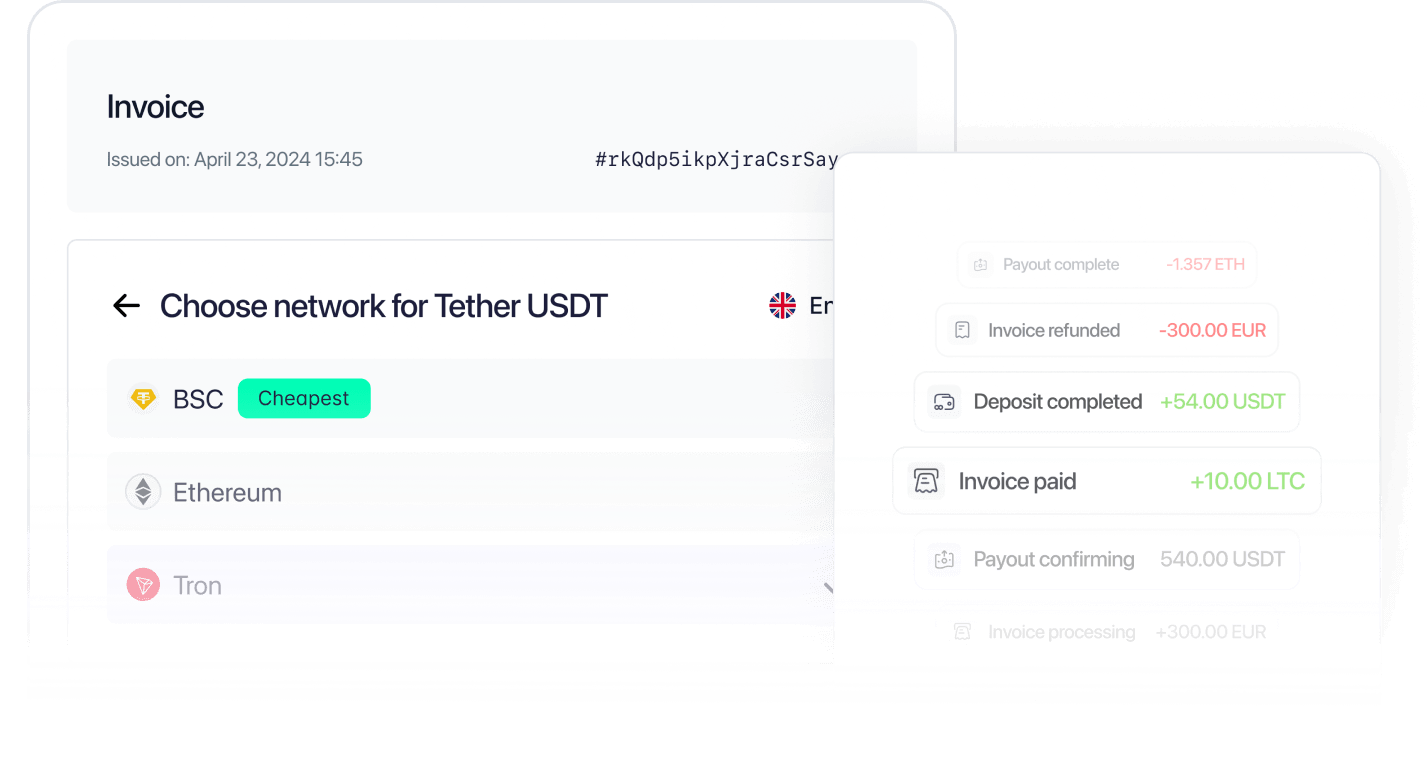
Some businesses also want easier access to cryptocurrency payment solutions tied to global commerce. Sheepy crypto payment gateway works with companies that want to accept digital assets through infrastructure built for international business activity. A crypto payment processor can connect stablecoin rails with local currency settlement in a simpler way.
Most firms do not want to remove banks from global finance. Many groups simply want better coordination between old systems and new rails. Stablecoins fit well into this hybrid model. Banks still manage regulation, custody, and local currency access in many regions.
Blockchain rails now work beside traditional finance instead of against it.
More firms combine digital asset infrastructure with banking networks every year. Several fintech firms now treat stablecoins as operational tools instead of speculative assets. A crypto payment processor increasingly acts as a bridge between treasury operations, compliance systems, liquidity flows, and modern cross-border commerce.
What Convera, Ripple, Paysend, and BVNK reveal about institutional adoption
For years, large financial firms treated blockchain rails as an experiment. Many executives saw stablecoins as tools mainly tied to speculative markets. That view started to change when major cross-border operators began integrating blockchain settlement into real treasury flows. Convera and Ripple became one of the clearest signals of that shift.
A large FX company would not place core infrastructure at risk without a strong operational reason. Faster settlement, lower liquidity pressure, and round-the-clock movement of funds created that reason. The market now appears far more interested in utility than hype. That transition changed how many firms evaluate the role of a crypto payment processor inside international finance.
The same pattern appeared through the collaboration between Paysend and BVNK. The important detail was not the announcement itself. The important detail was the operational context behind it. Stablecoin rails were no longer isolated inside test environments. They started supporting real cross-border activity tied to consumer apps and enterprise treasury operations. That distinction matters because production infrastructure faces far stricter reliability demands. Firms must manage liquidity, compliance, regional regulation, and settlement continuity at all times.
Stablecoins increasingly help reduce delays between markets that operate under different banking hours. A cryptocurrency payment gateway may still matter for merchant checkout flows, but infrastructure providers now compete more aggressively around treasury coordination and settlement efficiency.
BVNK also highlights another important industry shift. Much of the value now comes from orchestration rather than speculation. Businesses need infrastructure that connects fiat systems, stablecoin liquidity, compliance checks, and local currency conversion into one operational layer. That creates a very different role for a crypto payment processor than the market imagined several years ago.
The sector is moving away from simple checkout tools and toward financial coordination infrastructure. This model fits global commerce far better because modern companies operate continuously across many regions and currencies. As a result, stablecoin infrastructure increasingly looks less like an alternative system and more like an additional operational layer inside global finance.
Why the modern crypto payment processor is becoming a liquidity orchestration layer
Global business now moves across many regions every hour. Money flows between banks, FX firms, digital asset rails, and local currency systems each day. Old banking networks were built for a slower world. Modern commerce moves much faster than those systems. Delays still happen during weekends, holidays, and regional banking hours. Large firms also keep funds inside many countries at once. Such models create high operational costs over time.
A crypto payment processor now helps firms coordinate liquidity across markets with less friction and better speed.
Many infrastructure firms now focus on coordination instead of simple transfer routing. Modern platforms connect compliance tools, treasury activity, digital assets, and local banking systems inside one structure. BVNK became one example of such market direction during recent years. Global firms need better visibility across many financial channels at once. Treasury groups also track liquidity movement more closely than before.
Faster coordination helps reduce delays across international operations. A cryptocurrency payment gateway may still support merchant checkout activity, but enterprise infrastructure now focuses more on treasury movement and liquidity access. A crypto payment processor increasingly supports global commerce behind the scenes instead of only customer-facing activity.

Banks still play a major role inside international finance today. They manage regulation, custody, and local currency access across many markets. Blockchain rails now work beside traditional finance instead of against it. More firms combine digital asset infrastructure with banking networks every year. Such hybrid models support faster settlement across several regions. Finance teams also gain better control over liquidity movement and treasury visibility.
Global commerce now depends on systems capable of working all day without regional limits. Cross-border infrastructure appears to move toward flexible networks built around speed, coordination, and operational efficiency.
Why cross-border B2B delivers the clearest ROI in crypto payments
Retail crypto use still grows at a slow pace in many markets. Most people still use cards or bank apps during daily shopping. Global business works in a very different way. Large firms care more about speed, liquidity, and operating cost. Even small delays can create problems across many regions. Treasury teams also track how long funds stay locked inside foreign accounts. Old banking rails often slow global commerce for several days. A crypto payment processor now draws more attention because cross-border business creates a clearer business case for faster settlement.
Many firms now study blockchain rails through a practical view. Faster fund movement can improve cash flow across global operations. Treasury groups also gain better control over liquidity between regions. Large platforms often support remote teams, suppliers, and marketplaces across many countries. Banking systems still create delays during weekends and local holidays.
Digital asset infrastructure helps reduce part of such friction. A cryptocurrency payment gateway may help merchants accept digital assets online, while treasury infrastructure supports global business activity behind the scenes.
Cross-border commerce now pushes many firms toward infrastructure built around speed and liquidity access.
Business adoption also grows faster when financial value becomes easy to measure. Consumer habits can take many years to change. Finance teams respond more quickly to lower cost and faster access to funds. Many firms now compare blockchain rails with old banking systems through clear operating metrics. A crypto payment processor increasingly supports treasury coordination across global business networks instead of simple retail activity.
Large enterprises also search for better ways to move liquidity between regions with fewer delays. Cross-border commerce now looks like one of the strongest economic use cases for blockchain infrastructure inside modern global finance.
The rails nobody sees
The biggest shift in crypto did not happen at checkout. It happened deep inside global money movement. Cross-border business created a stronger reason for blockchain adoption than retail ever could. Firms now care less about hype and more about liquidity, speed, and capital efficiency. Large financial groups already started rebuilding parts of international settlement around digital asset infrastructure. Most users may never notice the change directly. Still, the next phase of global finance will likely belong to the firms building faster rails between banks, treasury systems, and global commerce.
Sheepy helps leading iGaming, FX, and E-commerce brands grow their crypto payments - trusted since 2022.


'%3e%3cpath%20d='M5.33337%2017.3333C5.76671%2020.7093%207.84137%2023.708%2010.6667%2025.3333'%20stroke='%231C1D3B'%20stroke-width='2'%20stroke-linecap='round'%20stroke-linejoin='round'/%3e%3cpath%20d='M26.6667%2014.6667C26.3406%2012.3203%2025.2521%2010.1462%2023.5688%208.47934C21.8856%206.81246%2019.701%205.74524%2017.3516%205.44209C15.0021%205.13893%2012.6182%205.61666%2010.5669%206.80168C8.51571%207.98669%206.911%209.81326%206%2012'%20stroke='%231C1D3B'%20stroke-width='2'%20stroke-linecap='round'%20stroke-linejoin='round'/%3e%3cpath%20d='M5.33337%206.66666V12H10.6667'%20stroke='%231C1D3B'%20stroke-width='2'%20stroke-linecap='round'%20stroke-linejoin='round'/%3e%3cpath%20d='M16%2020H18.6667C19.0203%2020%2019.3594%2020.1405%2019.6095%2020.3905C19.8595%2020.6406%2020%2020.9797%2020%2021.3333V22.6667C20%2023.0203%2019.8595%2023.3594%2019.6095%2023.6095C19.3594%2023.8595%2019.0203%2024%2018.6667%2024H17.3333C16.9797%2024%2016.6406%2024.1405%2016.3905%2024.3905C16.1405%2024.6406%2016%2024.9797%2016%2025.3333V26.6667C16%2027.0203%2016.1405%2027.3594%2016.3905%2027.6095C16.6406%2027.8595%2016.9797%2028%2017.3333%2028H20'%20stroke='%231C1D3B'%20stroke-width='2'%20stroke-linecap='round'%20stroke-linejoin='round'/%3e%3cpath%20d='M24%2020V22.6667C24%2023.0203%2024.1405%2023.3594%2024.3905%2023.6095C24.6406%2023.8595%2024.9797%2024%2025.3333%2024H26.6667'%20stroke='%231C1D3B'%20stroke-width='2'%20stroke-linecap='round'%20stroke-linejoin='round'/%3e%3cpath%20d='M28%2020V28'%20stroke='%231C1D3B'%20stroke-width='2'%20stroke-linecap='round'%20stroke-linejoin='round'/%3e%3c/g%3e%3cdefs%3e%3cclipPath%20id='clip0_17690_160'%3e%3crect%20width='32'%20height='32'%20fill='white'/%3e%3c/clipPath%3e%3c/defs%3e%3c/svg%3e)
'%3e%3cpath%20d='M10.6667%208.00001C10.6667%207.29277%2010.9477%206.61449%2011.4478%206.11439C11.9479%205.61429%2012.6262%205.33334%2013.3334%205.33334H24.0001C24.7073%205.33334%2025.3856%205.61429%2025.8857%206.11439C26.3858%206.61449%2026.6667%207.29277%2026.6667%208.00001V18.6667C26.6667%2019.3739%2026.3858%2020.0522%2025.8857%2020.5523C25.3856%2021.0524%2024.7073%2021.3333%2024.0001%2021.3333H13.3334C12.6262%2021.3333%2011.9479%2021.0524%2011.4478%2020.5523C10.9477%2020.0522%2010.6667%2019.3739%2010.6667%2018.6667V8.00001Z'%20stroke='%231C1D3B'%20stroke-width='2'%20stroke-linecap='round'%20stroke-linejoin='round'/%3e%3cpath%20d='M5.33337%2013.3333C5.33337%2012.6261%205.61433%2011.9478%206.11442%2011.4477C6.61452%2010.9476%207.2928%2010.6667%208.00004%2010.6667H18.6667C19.374%2010.6667%2020.0522%2010.9476%2020.5523%2011.4477C21.0524%2011.9478%2021.3334%2012.6261%2021.3334%2013.3333V24C21.3334%2024.7072%2021.0524%2025.3855%2020.5523%2025.8856C20.0522%2026.3857%2019.374%2026.6667%2018.6667%2026.6667H8.00004C7.2928%2026.6667%206.61452%2026.3857%206.11442%2025.8856C5.61433%2025.3855%205.33337%2024.7072%205.33337%2024V13.3333Z'%20stroke='%231C1D3B'%20stroke-width='2'%20stroke-linecap='round'%20stroke-linejoin='round'/%3e%3c/g%3e%3cdefs%3e%3cclipPath%20id='clip0_17690_177'%3e%3crect%20width='32'%20height='32'%20fill='white'/%3e%3c/clipPath%3e%3c/defs%3e%3c/svg%3e)