
 8 min reading
Growth can make a payment stack look stronger than it really is. A business adds one provider for cards, another for local methods, another for payouts, and later explores crypto payment solutions for new customers. Each step feels smart at the time. Yet the stack slowly turns into a maze. Reports split. Settlement slows. Teams lose clear control. The real issue is not adding more tools. It is trying to scale on tools that were never built to work as one system.
Fragmentation starts as a shortcut, not a mistake
Most companies do not plan to build a fragmented payment stack. It happens in small steps, usually under pressure. A new market needs local payment methods. A new product needs recurring billing. A new audience may ask for crypto payment solutions. Each choice looks useful and clear at the time. The team solves one task, ships fast, and moves on. Fragmentation often begins as speed. Later, it starts charging interest.
The problem starts when these tools stop acting like one payment system. One provider handles cards. Another manages bank transfers. A separate platform supports payouts. Another tool covers fraud checks or payment reporting. Later, the business may add crypto payment solutions to serve digital asset users. None of these tools are wrong by themselves. The issue is that they often use different APIs, data formats, settlement cycles, and support flows.

At first, this does not feel like a serious risk. A small finance team can still match reports by hand. Engineers can still fix each payment integration when needed. Support can still check several dashboards for one customer issue. But growth makes these simple habits harder to keep. More payment rails mean more places where data can split. More markets mean more rules, currencies, and customer needs. The payment stack becomes harder to read, even when revenue keeps rising.
This is the hidden trap of fragmented payment infrastructure. It gives the business speed in the early stage. Then it takes that speed back through manual work. Teams spend more time checking, fixing, and explaining payment flows. Leaders lose a clear view of payment operations. What once felt like a smart shortcut becomes a system that needs its own control layer. That is why growing businesses often outgrow fragmented stacks before they fully notice the cost.
The real cost hides after the checkout
The checkout may look simple from the outside. A buyer clicks, confirms, and gets a clear result. For the user, the job feels done. For the business, the hard part often starts later. An order may sit in one dashboard, the fee in another, and the refund record in a third. This gets harder when card tools, bank rails, wallets, and crypto payment solutions all sit in separate systems. Each tool may show a different view of the same sale.
This is where hidden costs begin to grow. Finance teams spend hours checking files from several dashboards. Treasury teams track funds across accounts, currencies, and time zones. Support teams search for one answer in too many tools. Engineers must update APIs, fix alerts, and keep old links alive. Leaders may still see strong sales, but less clear control. The stack works, yet it asks more people to manage it each month.
The biggest issue is not only cost. It is speed.
A team that waits for clean data cannot act fast. A refund may take longer to trace. A settlement delay may be hard to explain. A report may need manual checks before it feels safe. When crypto payment solutions are added without a shared view, the same issue can spread into digital asset flows. More rails can bring more reach, but they also add more places for data to split.
At scale, these small gaps become daily friction. No single task looks dramatic at first. Yet the total effect is heavy. Teams lose time on work that should be simple. Customers feel delays even when they do not see the cause. Growth then creates more volume, but not more clarity. This is why the real cost hides after the checkout. The sale is only one moment. The full business process lasts much longer.
Growth turns simple tools into hidden debt
Growth changes the weight of each tool. At first, one extra provider feels light. It helps the team enter a new market fast. It may also help serve buyers who want crypto payment solutions. But the same tool becomes heavier when orders rise. More volume means more records, more checks, and more edge cases. What looked simple in month three may block a launch in year two.
This kind of debt is hard to see early. It does not look like a bug or a failed launch. It looks like small delays across many teams. Finance waits for clean data from several systems. Support checks more screens before it can answer a client. Engineers spend more time on API maintenance and old logic. When crypto payment solutions sit outside the main stack, this split can grow even faster.
The real risk appears when the company wants to move quickly. A new country may need local methods, new rules, and new reports. A new product may add subscriptions, refunds, partner flows, or digital asset settlement. Each change touches systems that were never built to work together. Teams start to rely on manual fixes because they need speed. But manual fixes do not scale well.
Even crypto payment solutions need a clear place inside the wider operating model.
That is why growth can turn useful tools into hidden debt. The business does not fail because one system is weak. It slows down because too many systems need separate care. Every new provider adds work to routing, reporting, settlement, and reconciliation. Every gap makes data harder to trust. Leaders may still see sales grow, but control becomes less clear. At that point, the stack no longer supports scale. It quietly asks the business to pay for every shortcut again.
Modern businesses need a unified control layer
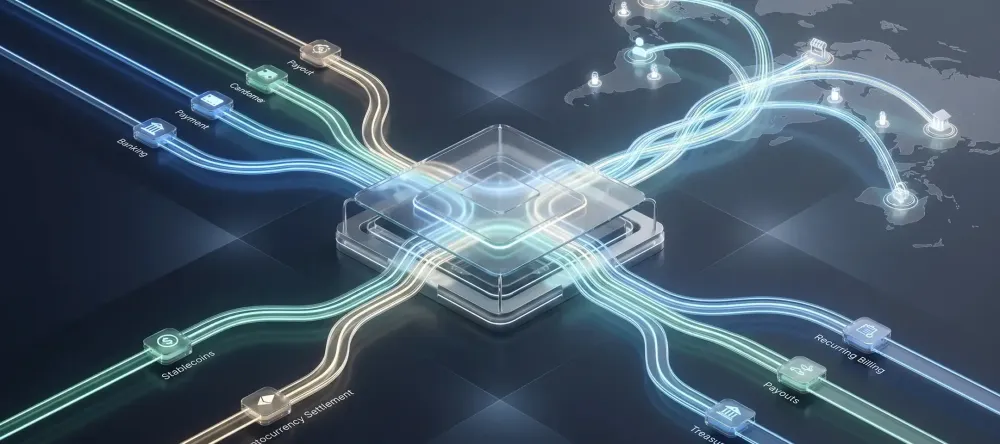
A growing company does not need fewer tools. It needs one clear way to manage them. Cards, bank rails, wallets, local methods, and crypto payment solutions can all serve a real need. The problem starts when each one lives alone. A unified control layer helps the business see the whole flow. It turns scattered tools into an operating layer the whole company can trust.
This matters because scale brings more moving parts. New regions bring new rules and new local habits. New users may expect more choice at checkout. New partners may need faster payouts and cleaner records. Finance needs clear reports, not ten separate files. Support needs one answer, not a search across many screens. Leaders need data they can read before decisions become late.
A unified layer also helps the team move faster. Engineers can spend less time fixing old links. Finance can spend less time on manual reconciliation. Treasury can track liquidity with less guesswork. Compliance teams can follow cleaner and more stable workflows. This does not remove the need for choice. It makes choice easier to manage. Even crypto payment solutions work better when they fit inside one wider model.
This is where modern infrastructure becomes more than a technical upgrade. It changes how the company runs each day. The goal is not to force every rail into the same shape. The goal is to make every rail easy to control. Some funds may move through banks. Others may move through digital asset settlement. Some flows may take time. Others may support real-time settlement. What matters is that the business can see, route, track, and improve each flow from one place.
Why digital asset rails fit the next stack
Digital asset rails matter because global trade no longer sleeps. Buyers live in many regions and use many forms of value. Some prefer cards, some prefer bank rails, and some prefer coins or stablecoins. A growing firm should treat each rail as part of one wider flow. That is where crypto payment solutions gain real value. They are not just a new button at checkout. They are a way to support faster global reach.
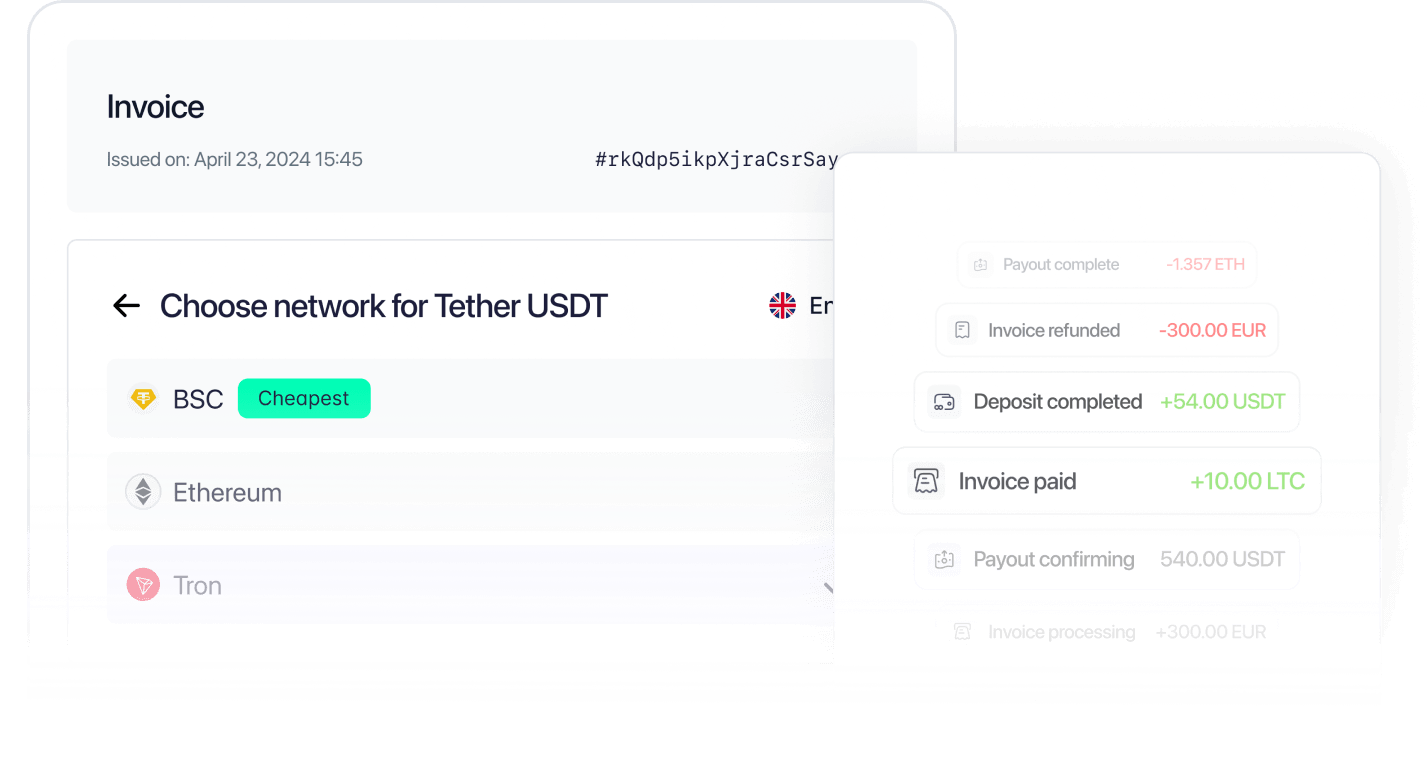
Stablecoin flows also change how teams think about settlement. Funds may move faster across borders than with older rails. Fees may be clearer in some routes. The firm may also serve users who hold digital assets already. But speed alone is not enough. A fast rail still creates work when data is split. A fast rail is not useful if nobody can explain the record behind it. Teams still require clear reports, clean records, and shared rules. Without that, even fast settlement turns into extra strain.
This is why the next stack should focus on control, not hype. Crypto payment solutions fit best when they connect with reporting, refunds, risk checks, and treasury work. They should help the firm see what happened, where funds moved, and when records match. They should also support digital asset settlement without adding another blind spot. A rail that works alone may bring reach. A rail that works inside one system brings scale.
This is where Sheepy fits into a larger shift in digital asset infrastructure. The market is not only asking for more digital asset tools. It is asking for simpler operations around them. Growing firms want global access, real-time settlement, and fewer manual gaps. They also want tools that support daily work, not just a single transaction. The firms that win will not be those with the most separate providers. They will be those with the clearest way to run every rail together.
The stack either scales or stalls
A fragmented stack rarely looks dangerous at first. It often looks practical, fast, and even smart. But scale changes the test. More markets, more rails, more users, and more data expose every weak link. Growing firms do not outgrow separate tools because those tools are useless. They outgrow them because control becomes more valuable than speed alone. The next stage belongs to firms that turn every rail into one clear operating system.
Sheepy helps leading iGaming, FX, and E-commerce brands grow their crypto payments - trusted since 2022.


'%3e%3cpath%20d='M5.33337%2017.3333C5.76671%2020.7093%207.84137%2023.708%2010.6667%2025.3333'%20stroke='%231C1D3B'%20stroke-width='2'%20stroke-linecap='round'%20stroke-linejoin='round'/%3e%3cpath%20d='M26.6667%2014.6667C26.3406%2012.3203%2025.2521%2010.1462%2023.5688%208.47934C21.8856%206.81246%2019.701%205.74524%2017.3516%205.44209C15.0021%205.13893%2012.6182%205.61666%2010.5669%206.80168C8.51571%207.98669%206.911%209.81326%206%2012'%20stroke='%231C1D3B'%20stroke-width='2'%20stroke-linecap='round'%20stroke-linejoin='round'/%3e%3cpath%20d='M5.33337%206.66666V12H10.6667'%20stroke='%231C1D3B'%20stroke-width='2'%20stroke-linecap='round'%20stroke-linejoin='round'/%3e%3cpath%20d='M16%2020H18.6667C19.0203%2020%2019.3594%2020.1405%2019.6095%2020.3905C19.8595%2020.6406%2020%2020.9797%2020%2021.3333V22.6667C20%2023.0203%2019.8595%2023.3594%2019.6095%2023.6095C19.3594%2023.8595%2019.0203%2024%2018.6667%2024H17.3333C16.9797%2024%2016.6406%2024.1405%2016.3905%2024.3905C16.1405%2024.6406%2016%2024.9797%2016%2025.3333V26.6667C16%2027.0203%2016.1405%2027.3594%2016.3905%2027.6095C16.6406%2027.8595%2016.9797%2028%2017.3333%2028H20'%20stroke='%231C1D3B'%20stroke-width='2'%20stroke-linecap='round'%20stroke-linejoin='round'/%3e%3cpath%20d='M24%2020V22.6667C24%2023.0203%2024.1405%2023.3594%2024.3905%2023.6095C24.6406%2023.8595%2024.9797%2024%2025.3333%2024H26.6667'%20stroke='%231C1D3B'%20stroke-width='2'%20stroke-linecap='round'%20stroke-linejoin='round'/%3e%3cpath%20d='M28%2020V28'%20stroke='%231C1D3B'%20stroke-width='2'%20stroke-linecap='round'%20stroke-linejoin='round'/%3e%3c/g%3e%3cdefs%3e%3cclipPath%20id='clip0_17690_160'%3e%3crect%20width='32'%20height='32'%20fill='white'/%3e%3c/clipPath%3e%3c/defs%3e%3c/svg%3e)
'%3e%3cpath%20d='M10.6667%208.00001C10.6667%207.29277%2010.9477%206.61449%2011.4478%206.11439C11.9479%205.61429%2012.6262%205.33334%2013.3334%205.33334H24.0001C24.7073%205.33334%2025.3856%205.61429%2025.8857%206.11439C26.3858%206.61449%2026.6667%207.29277%2026.6667%208.00001V18.6667C26.6667%2019.3739%2026.3858%2020.0522%2025.8857%2020.5523C25.3856%2021.0524%2024.7073%2021.3333%2024.0001%2021.3333H13.3334C12.6262%2021.3333%2011.9479%2021.0524%2011.4478%2020.5523C10.9477%2020.0522%2010.6667%2019.3739%2010.6667%2018.6667V8.00001Z'%20stroke='%231C1D3B'%20stroke-width='2'%20stroke-linecap='round'%20stroke-linejoin='round'/%3e%3cpath%20d='M5.33337%2013.3333C5.33337%2012.6261%205.61433%2011.9478%206.11442%2011.4477C6.61452%2010.9476%207.2928%2010.6667%208.00004%2010.6667H18.6667C19.374%2010.6667%2020.0522%2010.9476%2020.5523%2011.4477C21.0524%2011.9478%2021.3334%2012.6261%2021.3334%2013.3333V24C21.3334%2024.7072%2021.0524%2025.3855%2020.5523%2025.8856C20.0522%2026.3857%2019.374%2026.6667%2018.6667%2026.6667H8.00004C7.2928%2026.6667%206.61452%2026.3857%206.11442%2025.8856C5.61433%2025.3855%205.33337%2024.7072%205.33337%2024V13.3333Z'%20stroke='%231C1D3B'%20stroke-width='2'%20stroke-linecap='round'%20stroke-linejoin='round'/%3e%3c/g%3e%3cdefs%3e%3cclipPath%20id='clip0_17690_177'%3e%3crect%20width='32'%20height='32'%20fill='white'/%3e%3c/clipPath%3e%3c/defs%3e%3c/svg%3e)